
How Can You Avoid Over-drying Your Baby’s Skin After Bathing?
On this page 10 sections
Baby Post-Bath Skincare: How to Keep Your Baby’s Skin Soft, Healthy, and Hydrated
Bath time is one of the sweetest parts of caring for a baby. The warm water, gentle splashes, and cozy cuddles afterward often become cherished moments for both parents and little ones. Yet while baths help keep babies clean and comfortable, what happens after bath time can be just as important as the bath itself.
A baby's skin is remarkably delicate. In fact, infant skin is thinner and more sensitive than adult skin, which means it can lose moisture more quickly and become irritated more easily. Factors such as water temperature, bathing frequency, environmental conditions, and skincare products can all influence how your baby's skin looks and feels.
Fortunately, maintaining healthy baby skin doesn't require a complicated routine. A few simple post-bath skincare habits can help support your baby's natural skin barrier and keep their skin feeling soft, comfortable, and well-moisturized.
Whether you're caring for a newborn, infant, or active toddler, this guide will walk you through practical steps to create a gentle and effective post-bath skincare routine.
Why Post-Bath Skincare Matters for Babies
Many parents focus primarily on choosing the right bath products, but post-bath care plays an equally important role in protecting delicate skin.
During a bath, water can temporarily soften and hydrate the outer layer of the skin. However, as that water evaporates, moisture can be lost from the skin's surface. Without proper after-bath care, some babies may experience dryness, rough patches, or skin discomfort.
The goal of a good post-bath routine is not to overload your baby's skin with products. Instead, it's about helping maintain moisture balance and supporting the skin's natural protective barrier.
Establishing a simple routine early can also make bedtime easier. Many families find that a warm bath followed by gentle skincare creates a calming ritual that helps babies transition into sleep.
Start With a Gentle Baby Cleanser
Healthy post-bath skincare begins with what happens during the bath itself.
Choose Products Designed for Sensitive Baby Skin
Not all soaps are created equal. Traditional soaps can sometimes be too harsh for delicate baby skin because they may remove natural oils that help maintain hydration.
When shopping for baby cleansers, look for products that are:
- Fragrance-free or lightly scented
- Formulated specifically for babies
- Dermatologist-tested
- Hypoallergenic
- Free from unnecessary harsh additives
Gentle cleansers are designed to clean without disrupting the skin's natural balance.
Less Can Be More
Many new parents assume babies need soap during every bath. In reality, babies typically don't require large amounts of cleanser each time they bathe.
For younger infants who aren't yet crawling or eating solid foods, warm water alone may be sufficient for many areas of the body, while a gentle cleanser can be used for areas that need extra cleaning.
Using fewer products can sometimes help reduce the chance of irritation and dryness.
Use Lukewarm Water Instead of Hot Water
Water temperature plays a significant role in skin comfort.
Why Hot Water Can Be Drying
Although a warm bath may feel soothing, water that is too hot can remove natural oils from the skin. This can leave skin feeling dry and more vulnerable to irritation.
Babies have sensitive skin and are less able to regulate body temperature than adults, making proper bath temperature especially important.
Finding the Right Temperature
Lukewarm water is typically the best choice for infant baths.
Before placing your baby in the tub, test the water using your wrist or elbow. The water should feel comfortably warm rather than hot.
A pleasant bath temperature helps cleanse effectively while minimizing unnecessary moisture loss.
Keep Bath Time Relatively Short
Long baths may seem relaxing, but extended water exposure can contribute to dryness for some babies.
Many pediatric skincare experts recommend keeping baths relatively brief, especially if your baby tends to have sensitive skin.
A short, gentle bath followed by proper moisturizing often provides the ideal balance.
Dry Your Baby's Skin Gently
One of the most common post-bath mistakes is drying a baby too aggressively.
Why Patting Is Better Than Rubbing
After the bath, it's natural to reach for a towel and start rubbing. However, vigorous rubbing can create friction against delicate skin and potentially contribute to irritation.
Instead, gently pat your baby's skin dry using a soft, absorbent towel.
Patting removes excess moisture while leaving a small amount of hydration on the skin's surface, which can be beneficial before moisturizing.
Pay Attention to Skin Folds
Babies have adorable little folds around their neck, thighs, underarms, and diaper area.
These areas can trap moisture after a bath, so take extra care to gently dry them thoroughly. Keeping skin folds clean and dry can help improve comfort and reduce irritation caused by lingering moisture.
Moisturize While Skin Is Still Slightly Damp
One of the most effective ways to support skin hydration is applying moisturizer shortly after bath time.
Timing Matters
Applying lotion within a few minutes of drying helps lock in some of the moisture left behind from the bath.
This simple step can make a noticeable difference in maintaining soft and comfortable skin.
Choosing the Right Baby Lotion
When selecting a moisturizer, focus on gentle formulations made specifically for infants.
Look for ingredients commonly associated with moisturizing benefits, such as:
- Shea butter
- Oat extract
- Coconut-derived moisturizers
- Almond oil
- Glycerin
Many parents prefer fragrance-free products, particularly if their baby has sensitive skin.
Apply Lotion Gently
Moisturizing can become a wonderful bonding experience.
Using slow, gentle strokes, massage a small amount of lotion into your baby's skin. Focus on areas that often become dry, including:
- Legs
- Arms
- Elbows
- Knees
- Cheeks
This soothing routine can help your baby relax while supporting healthy skin hydration.
Consider Seasonal Changes
Your baby's skincare needs may change throughout the year.
Winter Skincare
Cold temperatures and indoor heating can create drier environments that may affect skin moisture levels.
During colder months, some babies may benefit from slightly richer moisturizers and more attention to hydration.
Summer Skincare
Warm weather can introduce different challenges.
Sweating, increased outdoor activity, and air conditioning may affect skin comfort. Lightweight moisturizers and breathable clothing can help maintain comfort during hotter months.
Being flexible with your skincare routine allows you to respond to changing environmental conditions.
Watch for Signs of Skin Sensitivity
Every baby is unique, and skin needs can vary significantly from one child to another.
If you introduce a new skincare product, monitor your baby's skin for any changes. Redness, irritation, or increased dryness may indicate that a product isn't the best match for your child's skin.
When trying a new lotion or cleanser, consider testing it on a small area first before applying it more broadly.
Paying attention to your baby's individual needs is often the best guide for developing an effective skincare routine.
Creating a Relaxing Post-Bath Routine
Post-bath skincare isn't only about hydration—it can also be a valuable opportunity for connection.
Many families incorporate gentle skincare into their bedtime routine. A warm bath, soft towel, moisturizing massage, clean pajamas, and a quiet feeding session can create a comforting sequence that helps babies wind down.
These predictable routines often provide a sense of security and comfort, especially as babies grow and become more aware of daily patterns.
The skincare itself may only take a few minutes, but the bonding time can become one of the most enjoyable parts of the day.
Common Baby Skincare Mistakes to Avoid
While caring for your baby's skin is generally straightforward, a few common mistakes are worth avoiding:
- Using overly hot bath water
- Bathing too frequently if skin appears dry
- Rubbing the skin aggressively with a towel
- Applying heavily scented adult skincare products
- Forgetting to moisturize after bathing
- Using products that are not designed for sensitive infant skin
Small adjustments can often make a significant difference in maintaining soft, healthy-looking skin.
Final Thoughts
Keeping your baby's skin soft and comfortable doesn't require an elaborate skincare routine. The most effective approach is often the simplest: use gentle cleansers, bathe with lukewarm water, dry carefully, and moisturize soon after the bath.
By paying attention to your baby's unique skin needs and creating a consistent post-bath routine, you can help support healthy hydration and everyday comfort. More importantly, these quiet moments of care provide opportunities for bonding, relaxation, and connection that both you and your baby can enjoy.
As your child grows, these simple skincare habits can continue to support healthy skin while making bath time one of the most comforting parts of the day.
Trending Articles
 Product
$62.99
Product
$62.99
VEVOR Wooden Toy Chest for Kids, Toddler Toy Storage Box with Flip-Top Lid and Safety Hinge, 32.68 x 17.91 x 24.02 Large Kids Storage Bench for Playroom, Living Room or Entryway, White
View product Product
$28.99
Product
$28.99
Idea Nuova Nickelodeon Blues Clues Collapsible Children’s Storage Trunk, Durable with Lid
View product Product
$59.99
Product
$59.99
VASAGLE Storage Chest, 29.9 Inches Width Storage Bench, Entryway Bench with 2 Safety Hinges, Shoe Bench, Farmhouse Style, for Entryway, Bedroom, Living Room, Charcoal Gray ULHS011B02
View product Product
$48.28
Product
$48.28
Idea Nuova Disney Minnie Mouse Collapsible Children’s Toy Storage Trunk, Durable with Lid
View product Product
$18.99
Product
$18.99
INDRESSME 25"x13"x16" Toy Box Toy Storage Organizer with Lid Collapsible Sturdy Toy Chest, Foldable Toy Bin for Living Room, Playroom, Bedroom, Toy Baskets Storage Kids, Boys, Girls (Beige & White)
View product Product
$104.99
Product
$104.99
Melissa & Doug Wooden Toy Chest - White Furniture for Playroom - Kids Toy Box, Wooden Storage Organizer, Children's Furniture
View product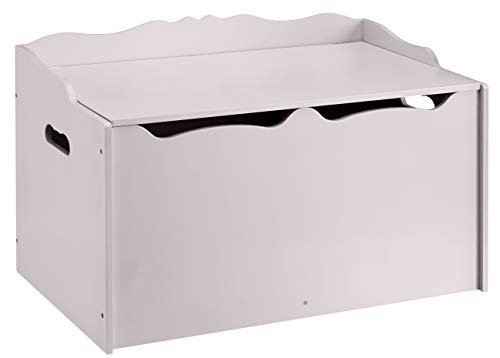 Product
$43.19
Product
$43.19
Amazon Basics Kids Toy Box, Wooden Organizer Storage Chest, Gray, 30" x 18" x 19"
View product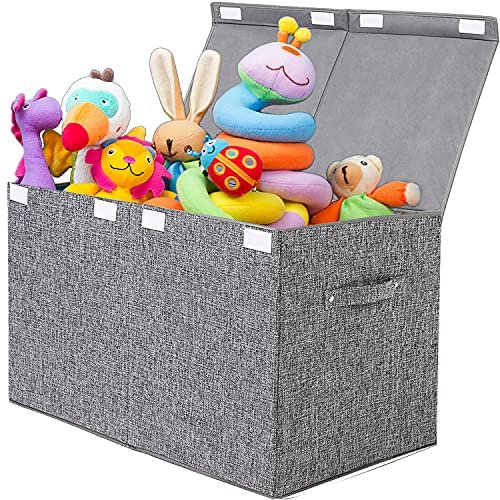 Product
$19.99
Product
$19.99