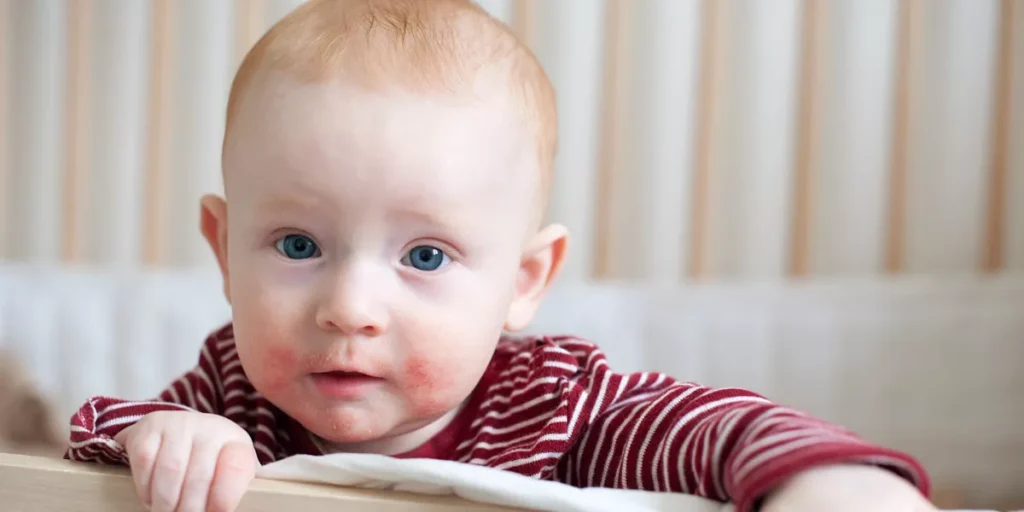
When it comes to managing allergies in babies, staying informed is key. Understanding the potential triggers and being proactive in recognizing any signs or symptoms can make a significant difference in your little one's well-being. However, there's more to effectively managing allergies in babies than just awareness. It involves a multifaceted approach that requires careful attention and strategic planning to ensure the best outcomes for your child's health. So, what are some practical steps you can take to navigate this complex terrain and safeguard your baby from potential allergic reactions?
Common Allergens in Babies
Identify potential allergens in your baby's environment by observing reactions to common triggers like dairy, nuts, and pet dander. Keep a close eye on how your baby reacts after being exposed to these substances.
Dairy products, such as milk and cheese, are known to cause allergic reactions in some babies. Watch for symptoms like rashes, vomiting, or diarrhea after your baby consumes dairy.
Nuts, especially peanuts and tree nuts, are common allergens that can trigger severe reactions in babies. Be cautious when introducing nuts into your baby's diet and monitor for any signs of allergy.
Pet dander from animals like cats and dogs can also be a source of allergies for some babies. If you notice your baby sneezing, coughing, or developing a rash when around pets, consider the possibility of a pet dander allergy.
Signs and Symptoms of Allergies
Observe your baby closely for common signs and symptoms of allergies to effectively manage their health and well-being. Allergies in babies can manifest in various ways, such as skin reactions like hives, eczema, or redness.
You might also notice nasal symptoms like sneezing, a runny or stuffy nose, or frequent rubbing of the nose or eyes. Digestive issues such as vomiting, diarrhea, or constipation can also be signs of allergies in infants.
Pay attention to unusual fussiness, excessive crying, or difficulty sleeping, as these could indicate an allergic reaction. In some cases, babies might develop respiratory symptoms like coughing or wheezing.
Keep an eye out for swelling of the face, lips, tongue, or throat, as this can be a severe allergic reaction requiring immediate medical attention. By being vigilant and recognizing these signs early on, you can take the necessary steps to address your baby's allergies and ensure their well-being.
Allergy Testing and Diagnosis
To determine your baby's allergies accurately, medical professionals may recommend allergy testing to identify specific triggers. Allergy testing can help pinpoint what substances your baby is allergic to, allowing you to take appropriate steps to manage their condition. There are various methods for allergy testing, including skin prick tests, blood tests, and elimination diets.
Skin prick tests involve placing a small amount of the suspected allergen on your baby's skin and then pricking or scratching the skin to see if a reaction occurs. Blood tests, such as the IgE blood test, measure the levels of allergy-related antibodies in the blood. These tests are helpful in determining specific allergens that may be causing your baby's symptoms. In some cases, medical professionals may recommend an elimination diet where certain foods are removed from your baby's diet to see if symptoms improve.
It is essential to consult with a healthcare provider before starting any allergy testing to ensure the most appropriate method is chosen for your baby's specific situation.
Preventing Allergic Reactions
To prevent allergic reactions in babies, it's crucial to create a safe environment free from known allergens. Start by being mindful of common allergens like peanuts, eggs, milk, soy, wheat, fish, and shellfish. When introducing new foods, do so one at a time, waiting a few days in between to monitor any potential reactions. Breastfeeding is beneficial as it can help reduce the risk of allergies in infants. If breastfeeding isn't an option, choosing a hypoallergenic formula can be a suitable alternative.
Keeping the house clean and dust-free can also aid in preventing allergic reactions. Regularly wash bedding, stuffed animals, and curtains to reduce exposure to dust mites. Consider using allergen-proof covers on mattresses and pillows. Additionally, avoiding exposure to tobacco smoke and pets can help minimize allergens in the environment.
In cases where there's a family history of allergies, consulting with a pediatrician or allergist can provide guidance on preventive measures. Being proactive and attentive to your baby's surroundings can significantly reduce the likelihood of allergic reactions and promote a healthier, happier baby.
Trending Products
Trending Articles
TEMI Baby Gym Toys & Activity Play Mat, Kick and Play Piano Gym Center with Music and Lights, Electronic Learning Toys for Infants, Toddlers, Newborn, Girls and Boys Ages 1 to 36 Months
TEMI Baby Gym Toys & Activity Play Mat, Kick and Play Piano Gym Center with Music and Lights, Electronic Learning Toys for Infants, Toddlers, Newborn, Girls and Boys Ages 1 to 36 Months
Dream On Me, Champ Activity Center & Jumper, Yellow
Dream On Me, Champ Activity Center & Jumper, Yellow
Baby Gym With Kick and Play Piano, Activity Mat for Tummy Time With 5 Infant Learning Sensory, Music and Lights for Newborn Boy or Girl (Green)
Baby Gym With Kick and Play Piano, Activity Mat for Tummy Time With 5 Infant Learning Sensory, Music and Lights for Newborn Boy or Girl (Green)
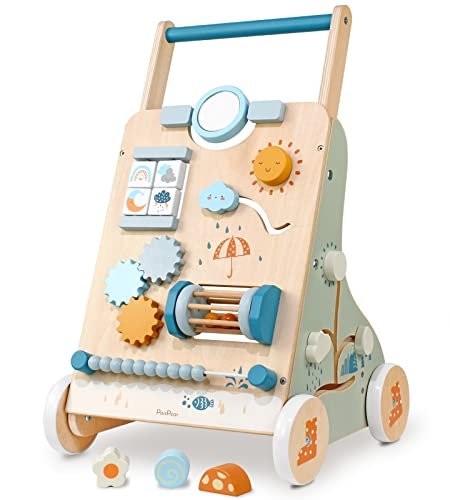
PairPear Wooden Baby Walker, Baby Push Walker, Montessori Walker Toy with Activity Center for Girls Boys, Adjustable Speed Baby Walker for Kids Development
PairPear Wooden Baby Walker, Baby Push Walker, Montessori Walker Toy with Activity Center for Girls Boys, Adjustable Speed Baby Walker for Kids Development
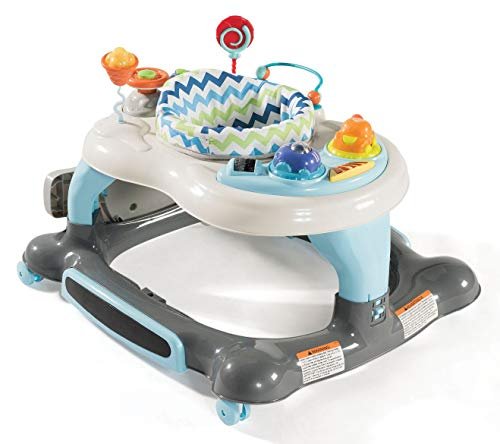
Storkcraft 3-in-1 Activity Walker and Rocker with Jumping Board Feeding Tray, Interactive Toy Tray for Toddlers Infants, Blue/Gray
Storkcraft 3-in-1 Activity Walker and Rocker with Jumping Board Feeding Tray, Interactive Toy Tray for Toddlers Infants, Blue/Gray
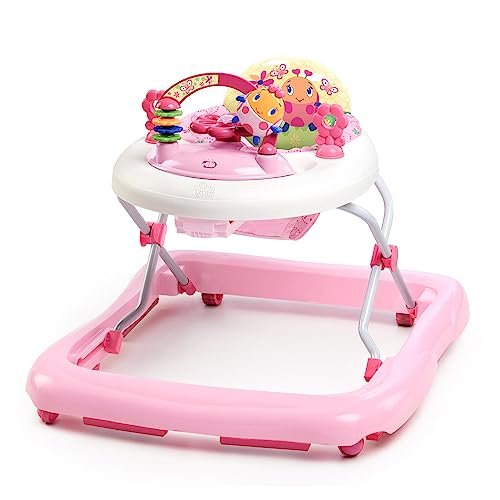
Bright Starts JuneBerry Walk-A-Bout Baby Walker and Entertainer, Removeable Floor Toy, with Easy Fold Frame for Storage, Ages 6 Months +
Bright Starts JuneBerry Walk-A-Bout Baby Walker and Entertainer, Removeable Floor Toy, with Easy Fold Frame for Storage, Ages 6 Months +
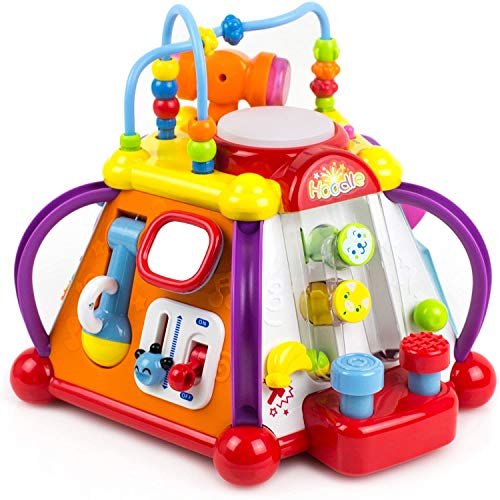
Toysery Baby Activity Center – Toddler Kids Learning & Skill Development Cube with Lights & Music. Enhance Skill Development with a 15 in 1 Game Functions Toy
Toysery Baby Activity Center – Toddler Kids Learning & Skill Development Cube with Lights & Music. Enhance Skill Development with a 15 in 1 Game Functions Toy
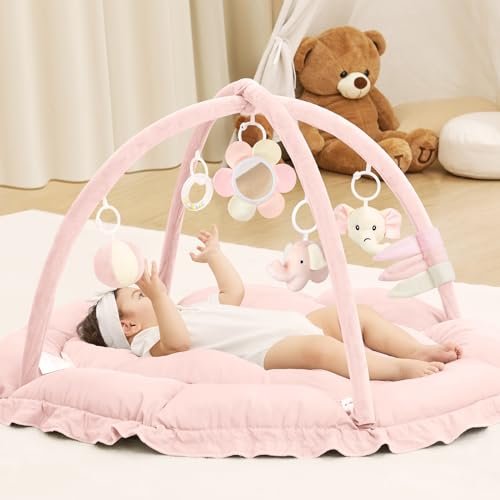
ANGELBLISS 5 in 1 Baby Play Gym Mat, Reversible Tummy Time Mat with 5 Sensory Toys for Stage-Based Developmental, Thick & Large Baby Activity Center from Newborn to Toddler (Pink)
ANGELBLISS 5 in 1 Baby Play Gym Mat, Reversible Tummy Time Mat with 5 Sensory Toys for Stage-Based Developmental, Thick & Large Baby Activity Center from Newborn to Toddler (Pink)