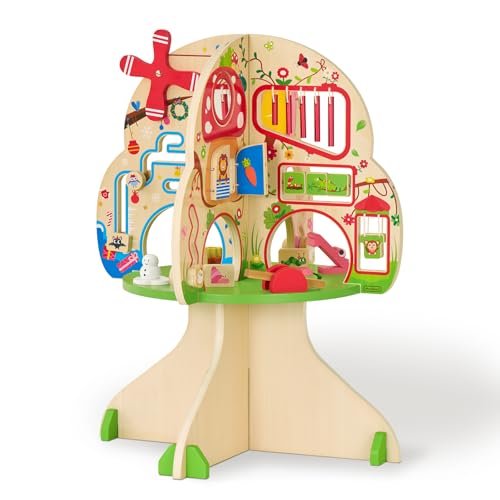
Why Montessori Busy Boards Are One of the Best Educational Toys for Curious Toddlers
As children grow from babies into active toddlers, their natural curiosity begins to flourish. Suddenly, everything becomes fascinating—doors, switches, locks, buttons, mirrors, handles, and objects that adults often overlook. Toddlers learn by touching, manipulating, opening, closing, pushing, pulling, and experimenting with the world around them.
While this curiosity is an essential part of healthy development, it can also create challenges for parents. Many everyday objects that attract a child's attention aren't designed for safe exploration. That's why educational toys that channel this curiosity into productive learning experiences have become increasingly popular among families, educators, and child development professionals.
Among these developmental tools, Montessori-inspired busy boards stand out as one of the most engaging and versatile options available. Combining sensory exploration, fine motor practice, problem-solving activities, and independent learning opportunities, busy boards provide children with a safe environment to satisfy their desire to explore while building valuable skills.
Whether used at home, in classrooms, waiting rooms, or play areas, a thoughtfully designed busy board can offer countless hours of educational play while supporting important developmental milestones.
What Is a Montessori Busy Board?
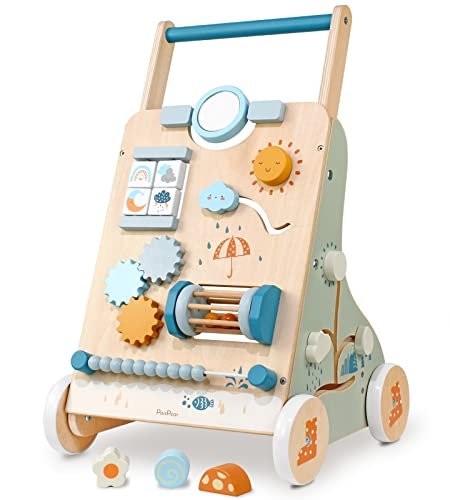
A busy board is an interactive activity board that contains a variety of hands-on elements designed to encourage exploration and learning.
Inspired by Montessori principles, these boards focus on self-directed discovery rather than passive entertainment. Instead of relying on screens or overly stimulating electronics, busy boards encourage children to learn through physical interaction and real-world experiences.
Children may encounter activities such as:
- Sliding tracks
- Mirrors
- Doors and latches
- Spinners
- Wind chimes
- Textured materials
- Sensory panels
- Interactive moving parts
Each activity offers opportunities for learning while keeping children actively engaged.
Why Hands-On Learning Matters for Young Children
Young children learn best through direct experience.
During the toddler years, the brain is developing rapidly, and every interaction helps build new neural connections. Touching, manipulating, and experimenting with objects allows children to better understand concepts such as cause and effect, spatial awareness, and problem-solving.
Unlike passive forms of entertainment, hands-on activities encourage children to become active participants in their own learning process.
Learning Through Exploration
Toddlers are naturally driven to investigate.
When children slide a piece along a track, open a small door, spin a wheel, or observe their reflection in a mirror, they are gathering information and building understanding through direct experience.
These seemingly simple activities often involve concentration, observation, memory, and experimentation.
Encouraging Independent Discovery
One of the core principles of Montessori education is encouraging children to learn independently.
Busy boards provide opportunities for self-guided exploration, allowing children to make discoveries at their own pace. This process helps build confidence while encouraging a sense of accomplishment.
Supporting Fine Motor Skill Development
Fine motor skills involve the small muscles of the hands and fingers that are used for everyday tasks.
These skills are essential for future activities such as writing, drawing, buttoning clothing, using utensils, and many other daily functions.
Strengthening Hand Muscles
Busy boards often include activities that require gripping, pulling, turning, pushing, and sliding.
These actions help strengthen the muscles needed for fine motor control while improving coordination and dexterity.
Improving Hand-Eye Coordination
As children interact with different components, they learn to coordinate what they see with how they move their hands.
This skill becomes increasingly important as children progress through early childhood and begin more advanced learning activities.
Sensory Exploration and Cognitive Development
Children experience the world through their senses.
Busy boards are often designed with a variety of textures, sounds, movements, and visual elements that encourage sensory exploration.
Visual Stimulation
Mirrors, moving objects, colorful features, and dynamic designs help capture a child's attention and encourage observation.
Visual exploration helps develop focus, tracking skills, and awareness of details.
Auditory Discovery
Interactive elements such as wind chimes and moving components introduce children to different sounds.
These experiences help children learn how their actions can create responses in the environment around them.
Tactile Learning
Touch plays a major role in early childhood development.
Exploring different textures and surfaces helps children develop sensory awareness while satisfying their natural curiosity.
Encouraging Problem-Solving Skills
Many activities found on Montessori busy boards require children to think, experiment, and discover solutions independently.
Learning Cause and Effect
When a child moves a piece and observes what happens next, they begin to understand cause-and-effect relationships.
These early lessons become important foundations for future reasoning and problem-solving skills.
Building Persistence
Not every activity is immediately mastered.
Children often need to try multiple approaches before successfully completing a task. This process helps develop patience, resilience, and confidence.
Promoting Critical Thinking
As children explore different mechanisms and activities, they naturally begin asking questions and testing ideas.
This curiosity-driven learning helps nurture independent thinking.
Creating Opportunities for Imaginative Play
Although busy boards are educational, they can also inspire creativity.
A small door may become the entrance to a pretend house. A mirror may spark games involving facial expressions. A spinning wheel may inspire stories about vehicles or adventures.
Open-ended play encourages imagination while allowing children to create their own experiences and narratives.
Ideal for Home, Classrooms, and Shared Spaces
One reason busy boards have become increasingly popular is their versatility.
Perfect for Playrooms
At home, a busy board provides an engaging activity station where children can explore independently while remaining safely occupied.
Parents often appreciate having an educational toy that encourages focus and concentration.
Valuable in Educational Settings
Preschools, daycare centers, and Montessori classrooms frequently incorporate busy boards because they support self-directed learning and cooperative play.
Children can explore individually or interact with peers while sharing discoveries.
Helpful in Waiting Areas
Pediatric offices, therapy clinics, libraries, and waiting rooms often use activity boards to keep children engaged while reducing boredom and restlessness.
Their durable design makes them particularly suitable for shared environments.
The Importance of Safety in Children's Toys
When selecting developmental toys, safety should always be a top priority.
Quality Construction Matters
Busy boards made from durable materials such as solid wood often provide long-lasting reliability.
Smooth finishes and carefully secured components help create a safer play experience for curious toddlers.
Designed for Child Exploration
Educational toys designed specifically for young children typically undergo testing to ensure they meet safety standards.
Parents can feel more confident knowing their children are exploring products created with safety in mind.
Secure Installation
Wall-mounted activity boards provide additional stability and help create a dedicated play area.
Many designs can be installed quickly while offering years of use.
A Screen-Free Alternative for Modern Families
In today's digital world, many parents are actively seeking ways to encourage screen-free play.
Busy boards offer an engaging alternative by providing interactive experiences that stimulate the mind without relying on electronic devices.
Children remain actively involved rather than passively consuming content, helping support healthy learning habits and attention development.
Why Busy Boards Make Excellent Gifts
Finding a meaningful gift for a toddler can be challenging.
Parents often appreciate toys that provide both entertainment and educational value. Busy boards offer a unique combination of learning, creativity, sensory exploration, and independent play that can remain engaging for extended periods.
For birthdays, holidays, classroom spaces, and special occasions, Montessori-inspired activity boards make thoughtful gifts that continue supporting development long after the wrapping paper is gone.
Final Thoughts
Montessori busy boards are much more than simple toys. They are interactive learning environments that encourage curiosity, creativity, problem-solving, sensory exploration, and fine motor development. By providing opportunities for hands-on discovery, these educational tools help children build confidence while learning valuable skills through play.
Whether installed in a playroom, classroom, waiting area, or bedroom, a well-designed activity board can become a favorite destination for exploration and learning. With features that encourage independent discovery and support developmental growth, busy boards offer a meaningful way to nurture a child's natural curiosity while creating opportunities for joyful, screen-free play.
For parents seeking educational toys that combine safety, engagement, and long-term value, a Montessori-inspired busy board is a wonderful investment in a child's early learning journey.