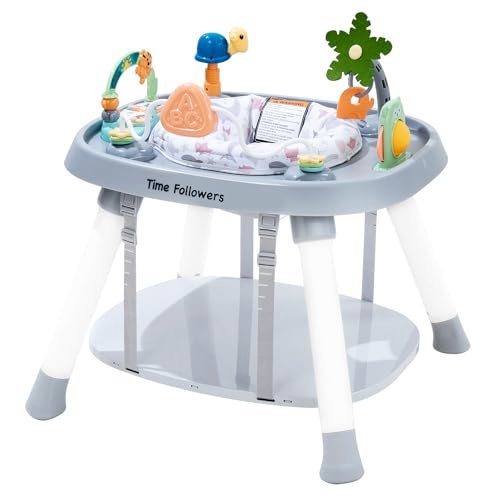
Why Grow-With-Baby Activity Centers Are Perfect for Learning Through Play
Babies change rapidly during their first few years. One month they are happily sitting and exploring toys within arm's reach, and before long they are pulling themselves up, cruising around furniture, and confidently walking across the room. Because these developmental stages happen so quickly, many parents look for toys and activity centers that can adapt alongside their growing child.
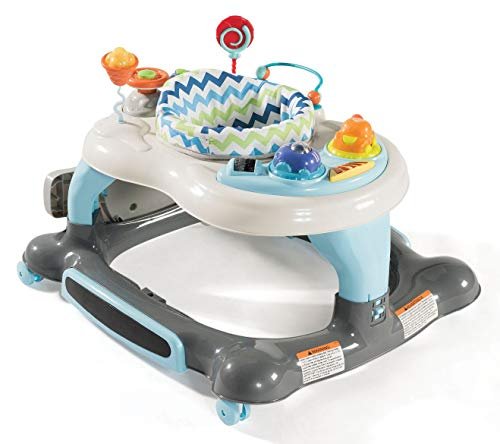
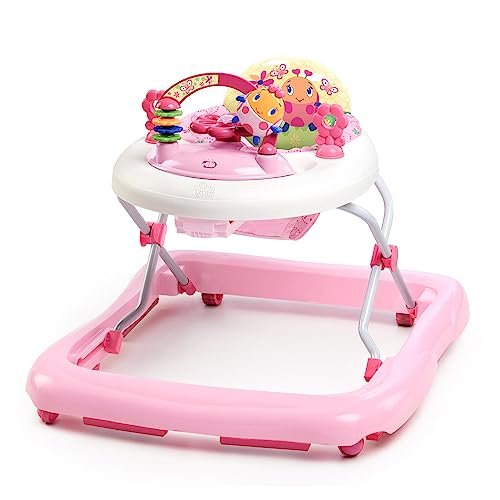
A multi-stage activity center offers exactly that kind of flexibility. Instead of serving a single purpose for a few months, it evolves to support different stages of development, from sensory exploration during infancy to standing play and creative activities during toddlerhood. By combining movement, learning, sensory stimulation, and independent exploration, these versatile play stations can provide years of educational value.
For families seeking a toy that encourages active learning while growing with their child, a developmental activity center can become one of the most useful additions to a nursery or playroom. It creates a dedicated space where babies and toddlers can safely explore, discover, and build confidence through play.
Why Developmental Play Matters in Early Childhood
Play is one of the primary ways young children learn.
Every time a baby reaches for a toy, presses a button, spins a gear, or explores a new texture, they are developing important cognitive and physical skills. These seemingly simple interactions help build neural connections that support learning, communication, problem-solving, and movement.
Unlike passive entertainment, developmental toys encourage children to actively participate in their environment. They learn by experimenting, making discoveries, and repeating actions that produce interesting results.
An activity center designed for multiple stages of growth allows children to continue building these skills as their abilities evolve.
A Three-Stage Design That Grows With Your Child
One of the greatest advantages of a convertible activity center is its ability to adapt to different developmental milestones.
Stage One: Sensory Exploration for Babies
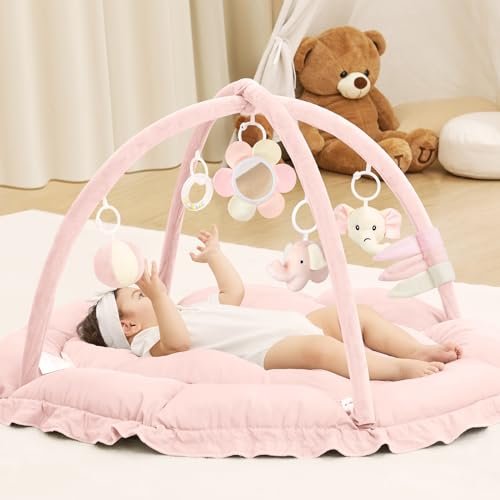
During the first year, babies are focused on discovering the world around them.
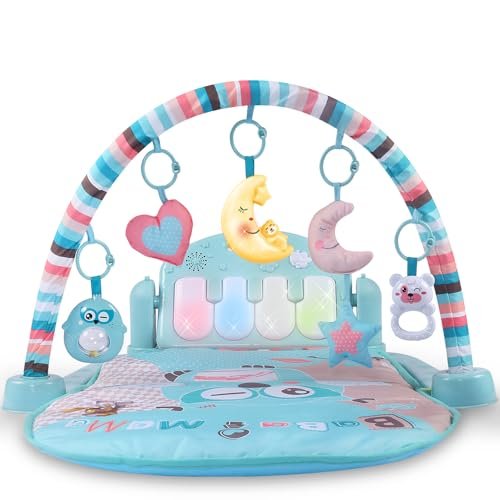
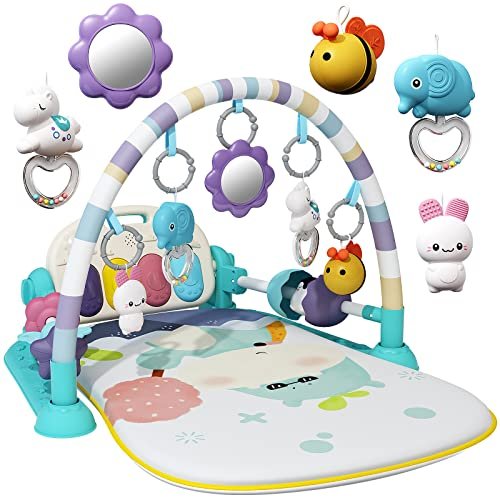
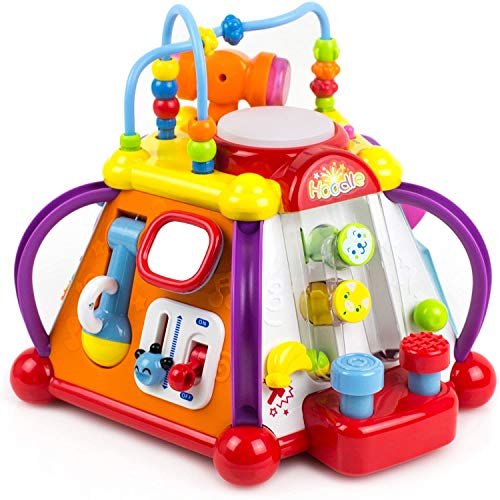
Interactive toys, colorful objects, sounds, lights, and textures encourage reaching, touching, and sensory exploration. These experiences help stimulate curiosity while supporting visual, auditory, and tactile development.
At this stage, babies are learning through observation and interaction. Every sound they trigger and every toy they touch contributes to their growing understanding of cause and effect.
Stage Two: Standing and Exploring
As babies gain strength and begin pulling themselves up, their relationship with play changes.
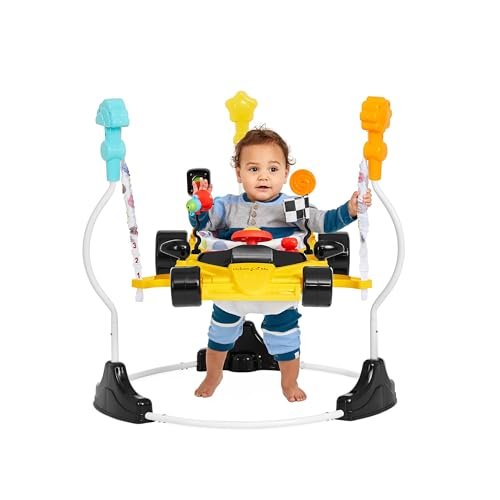
Standing activities encourage balance, coordination, and confidence. Interactive play stations motivate babies to remain upright while exploring different toys and challenges.
This stage often coincides with increased curiosity and mobility, making activity centers especially valuable for supporting safe exploration.
Stage Three: Walk-Around Learning and Creativity
Once toddlers begin walking independently, activity centers can transform into engaging play tables.
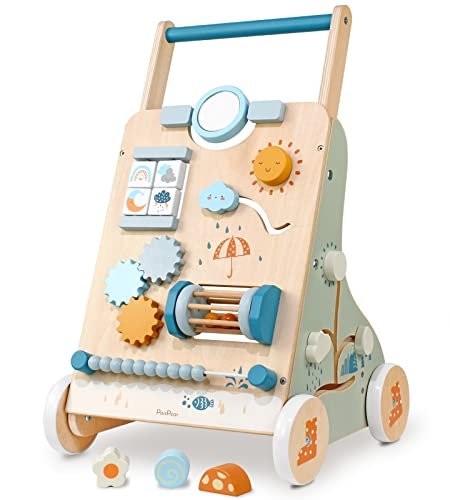
Children can move freely around the activity station, interact with different learning features, and engage in more advanced forms of play. This stage encourages creativity, problem-solving, and independent exploration while continuing to support physical development.
How Sensory Play Supports Brain Development
Sensory experiences play an essential role in early learning.
Babies and toddlers use their senses to understand the world around them, making sensory-rich toys particularly valuable during the early years.
Visual Stimulation
Bright colors, moving components, and engaging designs naturally attract attention.
Visual exploration helps babies learn to focus, track movement, and recognize patterns, all of which contribute to cognitive development.
Auditory Learning
Music, sounds, and interactive buttons introduce children to different auditory experiences.
Listening to sounds and learning how their actions trigger responses helps strengthen auditory processing and attention skills.
Tactile Discovery
Different textures and materials encourage children to explore through touch.
These sensory experiences help support fine motor development while introducing children to a variety of physical sensations.
Encouraging Gross Motor Development Through Active Play
Physical movement is a vital part of healthy development.
Activity centers provide opportunities for children to strengthen muscles and improve coordination while having fun.
Building Balance and Stability
Standing, bouncing, and cruising activities encourage children to use core muscles while practicing balance and body control.
These skills help support future movement milestones.
Developing Coordination
Reaching for toys, turning gears, and interacting with different activity stations help improve coordination between the eyes, hands, and body.
As children repeat these actions, their movements become more precise and controlled.
Supporting Independent Movement
Activity centers often encourage children to move around and explore, helping build confidence in their growing physical abilities.
Learning Through Cause and Effect
One of the most exciting discoveries for babies is realizing that their actions create results.
Press, Spin, and Discover
Interactive buttons, lights, and moving toys teach children that pressing, pushing, or turning something can produce a response.
These experiences form the foundation for problem-solving and logical thinking.
Building Cognitive Skills
When children experiment with different toys and activities, they begin developing early reasoning skills.
They learn to predict outcomes, recognize patterns, and understand relationships between actions and results.
Encouraging Curiosity
The more children discover, the more motivated they become to continue exploring.
This natural curiosity drives learning throughout early childhood.
Supporting Independent Play and Confidence
Parents often appreciate toys that encourage independent engagement.
Self-Directed Learning
Activity centers allow children to choose which activities interest them most.
This freedom encourages exploration while helping children develop decision-making skills.
Building Confidence Through Success
Every small achievement—whether it's pressing a musical button, spinning a gear, or stacking a block—helps reinforce confidence.
These successes motivate children to continue learning and trying new challenges.
Giving Parents a Few Free Moments
While children are actively engaged in meaningful play, parents may gain valuable opportunities to complete nearby tasks while maintaining supervision.
Safety Features Parents Appreciate
When selecting baby and toddler products, safety remains a top priority.
Stable Construction
A sturdy base helps provide a secure environment for active play and exploration.
Child-Friendly Materials
Products made from BPA-free materials and designed to meet recognized safety standards help provide peace of mind for parents.
Rounded Edges and Thoughtful Design
Smooth surfaces and child-friendly construction help create a comfortable and safe play environment.
Convenience for Everyday Family Life
Modern activity centers are designed with practicality in mind.
Quick Setup
Simple assembly allows families to start using the activity center with minimal effort.
Easy Cleaning
Machine-washable seat covers and wipe-clean surfaces make maintenance easier for busy parents.
Space-Saving Versatility
Because a single product can serve multiple purposes, families may reduce clutter while still providing a rich variety of developmental activities.
A Wonderful Gift for Growing Families
Finding a gift that remains useful for years can be challenging.
A multi-stage activity center offers:
- Long-term developmental value
- Sensory exploration opportunities
- Physical activity and movement
- Independent play experiences
- Multiple stages of use
These qualities make activity centers excellent gifts for baby showers, birthdays, holidays, and milestone celebrations.
Final Thoughts
A grow-with-baby activity center offers much more than entertainment. By combining sensory exploration, physical activity, interactive learning, and independent play, it creates a dynamic environment that supports development from infancy through toddlerhood.
Features such as adjustable play modes, sensory activities, standing stations, building blocks, musical elements, and walk-around exploration help children develop important motor, cognitive, and problem-solving skills while having fun. At the same time, practical features like easy cleaning, quick setup, and long-term usability make these activity centers a smart investment for families.
For parents seeking a versatile toy that encourages learning, movement, creativity, and confidence, a multi-stage activity center can become an essential part of a child's developmental journey.