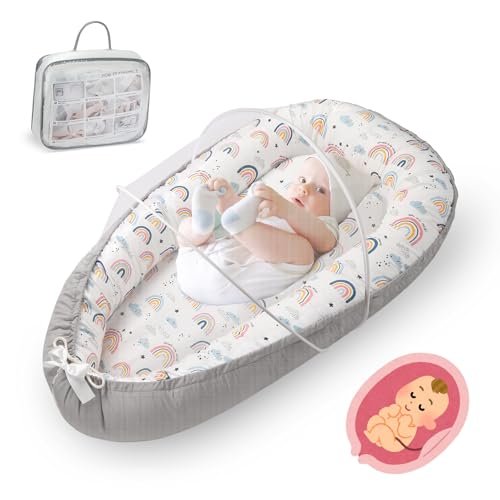
【Portable and Versatile Design】 This lightweight and compact baby lounger is designed for easy carrying and moving around the house or on the go. When folded, it conveniently holds baby essentials as a diaper bag. Attractive gray/green fabric with love message design coordinates well with any nursery or living space decor 【Rest and Cozy Play Space】 It creates a comfortable and familiar space for your baby to relax under supervision. Babies love having a cozy, secure space nearby during play or bonding time. The infant lounger is fully flat to ensure your baby remains in a natural, healthy position during use 【Breathable and Comfortable Materials】 This baby nest made with high-quality, breathable fabrics to keep your baby cool and comfortable. Includes built-in mosquito net and mesh panels for ventilation while keeping insects away from your little one. No tools are needed for assembly or disassembly
【Bionic Design for familiar sensation】: Adopts Bionic design to imitate mom's comfy womb which provides a comfortable and soothing environment for the baby. The soft all round bumper embraces the baby and protects the newborn from collisions and rolling out of the lounger, plus a 1.6-inch thickness mattress provides strong support for the baby's spine. 【Maximum Comfortable & Ease】: Along with the baby lounger, a double sides fabric Pillow is included which is middle dented for the natural shape of baby's head. A double sides fabric blanket keeps lotion and liquid away from the lounger and makes it easier to clean. 【Adjustable & Newborn Essential Gift】: The U shape safe bumper around infant lounger is adjustable, loose or tight the drawstring to fit your baby's figure. Our infant lounger is suitable for newborns from 0 to 9 months. It is a fancy baby shower gift for expectant mothers or newborn's parent.
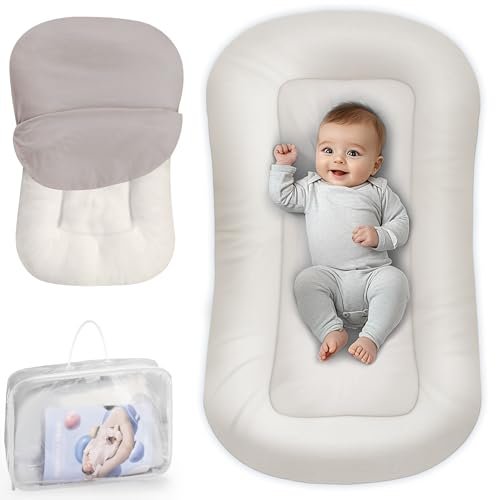
Fabric cotton,Filler Polyester Certified for Safety and Peace of Mind: Rest easy knowing your baby is safe and secure. This baby lounger is CPC, AAP, and CPSC certified, ensuring that it meets rigorous safety standards. With its thoughtful design, it helps prevent suffocation and injury during active playtime, providing a reliable space for your little one to explore, nap, or interact with family Gentle on Baby’s Sensitive Skin: Crafted from soft, breathable materials, this baby lounger features a pure cotton cover that promotes airflow and prevents overheating. It creates a comfortable resting environment for your baby, so they can stay cozy whether they're napping at home, relaxing in the living room, or lounging on the go
[Hug-like Comfort] The CooCooBaby baby lounger is designed especially for infants up to 19 months old and provides a feeling of cuddling and hugging that is similar to being carried in your arms. It provides the stability and comfort your baby needs for sitting up, rolling over, and tummy time. [Bionic Adaptability] The bionic design of this baby lounger gives your child more adaptability while also giving them a sense of security and holding. The machinewashable, double-sided cover is breathable and has adjustable ends that extend to fit your baby's growth for years of use. [Certified Safety] Safety is the most vital consideration. The CooCooBaby lounger, approved by OEKO-TEX, CPC, and CPSIA, does not pose a suffocation risk. Because its ingredients are organic, non-toxic, and hypoallergenic, it provides your infant with a safe environment. The polyester fiber fill can be fully machine-washed for your convenience.
【Ultra-Soft, Snug Design for 0-24 Months】 – Gentle, nest-like cushioning supports babies’ natural posture, perfect for naptime, playtime, or bonding moments. 【Detachable Mesh Shield for Added Protection 】– Lightweight mesh layer helps keep insects away during outdoor use or near open windows, ensuring uninterrupted comfort. 【Certified Breathable Fabric】 – Airflow-friendly material reduces heat buildup, keeping your little one cool and content for hours.
Certified for Safety and Peace of Mind: Rest easy knowing your baby is safe and secure. This baby lounger is CPC, AAP, and CPSC certified, ensuring that it meets rigorous safety standards. With its thoughtful design, it helps prevent suffocation and injury during active playtime, providing a reliable space for your little one to explore, nap, or interact with family Gentle on Baby’s Sensitive Skin: Crafted from soft, breathable materials, this baby lounger features a pure cotton cover that promotes airflow and prevents overheating. It creates a comfortable resting environment for your baby, so they can stay cozy whether they're napping at home, relaxing in the living room, or lounging on the go Supporting Your Baby’s Growth and Comfort: This infant lounger features a soft, supportive bumper and 3D polyester fiber filling that gently supports your baby's back, promoting healthy spinal growth. Whether your little one is tummy time playing, lounging, or learning to sit, the lounger provides gentle, comforting support
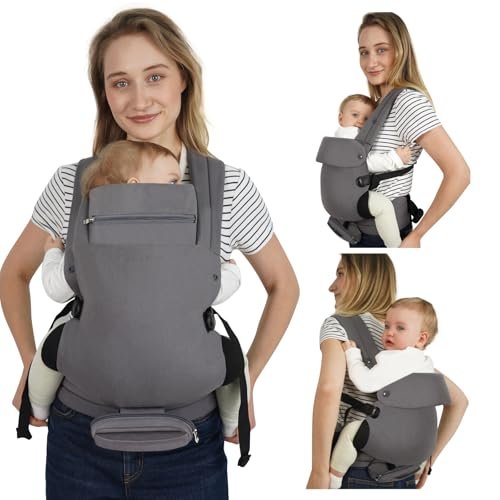
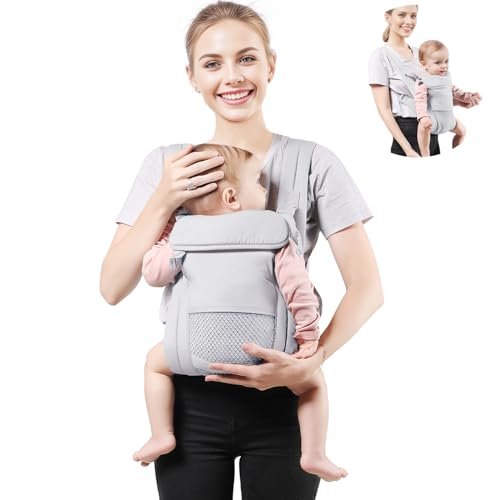
👶 [3-WAY CARRY& BONDING MODES] Cradle newborns tummy-to-tummy (7-15lbs) like a gentle hug, with breathable fabric keeping delicate skin cozy. When curious eyes want to see the world (4+ months), safely rotate baby outward to spot puppies at the park or rainbow bubbles. When your adventurer grows (12+ months), switch to back-carry mode and hike hands-free while sharing giggles over your shoulder. ☁️ [PREMIUM MATERIALS] Our toddler carrier is made of high quality cotton material, soft and sturdy, lightweight and durable. The inner side of the newborn carrier is made of mesh design, more breathable and allows you to use it for a long time without feeling uncomfortable even in hot weather. The leg openings are designed with thickened sponge padding, and the seams are well-designed to minimize friction on the skin and effectively improve comfort, so that your baby's legs can place more comfortably and naturally. ❤️ [CUSTOMIZED TO GROW TOGETHER] Our breathable baby carrier is designed to meet the needs of babies in every stage of growth from 7-44 lbs. Adjustable shoulder straps and waist belt length to accommodate baby's growth and mommy/daddy's changing body shape, making the carrier fit both adult and baby's body, enhancing wearing comfort. *Please refer to the instruction manual before use, the instruction manual is labeled with the steps of using the baby wearing wrap in different ways to help you better use the newborn baby carrier.
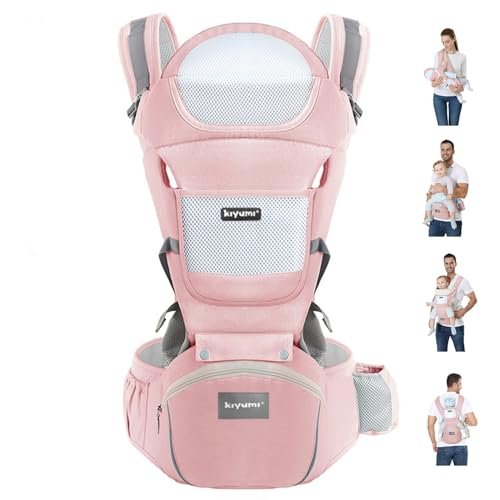
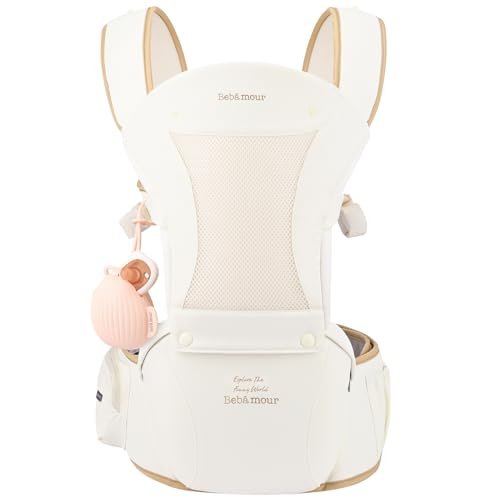
♬【6 carrying methods Baby Carriers】: 6 difffrent carrying methods for you to choose according to your baby's growth situation and scene .We can separate the shoulder straps and hip seat easily.It is suitable for children aged 0-36months. ,parents can choose the most comfortable carrying way according to the baby's growth period. ♬【Safety and Ergonomically Designed】 The thickened hip seat maintains the baby's M-shape during carrying, helping their skeletal development.Baby hip carrier is ergonomic and redistribute baby's weight evenly to ensure healthy hip development. ♬【High Quality Materials】This baby carrier newborn to toddler is made of soft baby skin-friendly fabric, which is soft and comfortable.(Suitable for babies 0-36 months, 7-45Lbs) the breathable 3D Mesh at any time to make your baby more comfortable and breathable.
【Suitable for 7-30bls Baby】Adjustable size as your baby grows (7-30 pounds ). Shiaon baby carriers helps distribute baby's weight evenly, reducing pressure and pain in the upper back, shoulders, neck or waist, comfortable for both parent and baby. 【Easy to Wear】Quick In and out. You can put your baby in the baby carrier within 1 minute. No more messing about and struggling to get your child situated in a carrier, avoid children crying in the waiting process. 【All Seasons】This infant carrier wrap is made with premium cotton and 3D breathable mesh, comfortable, lightweight, cool and helps reduce sweat, bringing the baby the gentlest care, suitable for all seasons.
Expert Design for Safety & Comfort: Designed by a professional baby carrier manufacturer, this product ensures both your baby's safety and your comfort with ergonomic support for your back. Versatile Carrying Options: Offers 6 adjustable carrying positions to suit your baby's growth stages, including a horizontal position for newborns. Detailed instructions are included for easy use. Fully Adjustable Fit: Features wide, padded shoulder and waist straps for maximum comfort. The waistband adjusts from 65-118cm (25-46.5") and includes an extender for an additional 10 inches, ensuring a perfect fit for all body types.
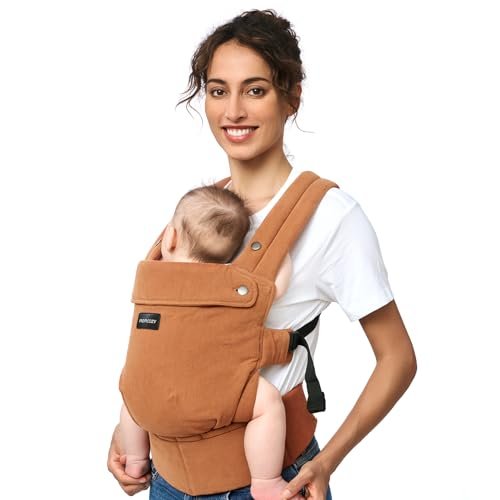
Premium Cotton Linen: Experience the luxury of Momcozy's natural, durable, and breathable cotton linen material, perfect for keeping your baby cool and comfortable. Its intuitive design provides lasting support and comfort for both you and your little one, whether at home or on the go. Grows with Your Baby: Designed to adjust through three stages, this carrier supports 7-44 lbs, ensuring a snug, ergonomic "M" position for healthy hip development and padded leg openings for optimal comfort. Ergonomic Waist EVA Support: The built-in EVA waist support not only offers crucial lumbar support but also minimizes strain on your back, ensuring a labor-saving and comfortable carrying experience.
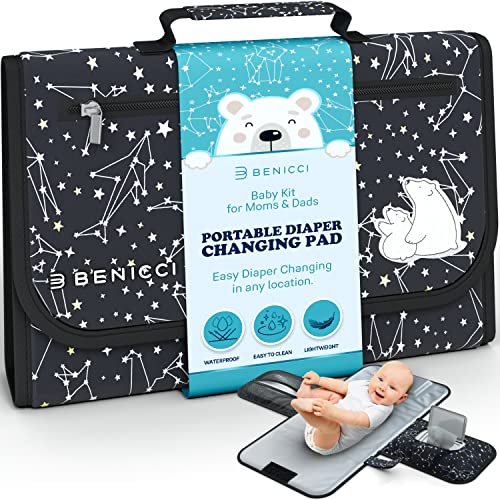
CHANGE DIAPERS ANYWHERE YOU GO - Our travel diaper changing pad ensures a hygienic wipe-clean surface and allows easy diaper changing on the go. Special built-in cushioned head pillow provides your baby with soft padding anywhere. The featured soft padded surface feels comfortable to put the baby on. FITS ALL YOU NEED - Carry all essentials in one baby changing mat. Our unisex portable diaper changing pad has storage for full pack wipes (100 pcs), 5 diapers & additional secure zip pocket for creams, phone, key, and more. A BREEZE TO USE AND CLEAN - We designed this travel changing pad with your convenience in mind. This waterproof changing pad for diaper bag may be unbuckled, folded, and unfolded using just one hand. It's super easy to clean with a quick wipe-down.
Essential Baby Travel Accessories Every Parent Should HaveTraveling with a baby can feel overwhelming, but the right accessories can make every trip more comfortable, organized, and stress-free. Whether you're heading out for a quick errand, a weekend getaway, or a long family vacation, having reliable baby travel essentials can make a huge difference in your overall experience.From diaper-changing solutions to hands-free carrying options, these must-have baby travel accessories are designed to keep both parents and babies comfortable while on the move.Portable Changing MatsA portable changing mat is one of the most practical accessories parents can carry while traveling with a baby. Diaper changes can happen anywhere — airports, restaurants, parks, or roadside stops — and having a clean, portable surface makes the process much easier and more hygienic.Most portable changing mats are lightweight, foldable, and compact enough to fit inside a diaper bag or stroller compartment. Many models also include built-in storage pockets for wipes, diapers, creams, or disposable bags, helping parents stay organized while away from home.Another major advantage is the waterproof and wipe-clean surface, which protects your baby from contact with public changing stations or other less sanitary surfaces. This added layer of cleanliness can provide peace of mind during busy travel days.When choosing a portable changing mat, look for features such as:Waterproof materialsFoldable compact designBuilt-in storage compartmentsSoft padded surfaceEasy-to-clean fabricLightweight portabilityA high-quality changing mat can quickly become one of the most frequently used items in your travel kit.Compact StrollersA compact stroller is another essential accessory for families traveling with young children. Unlike bulky traditional strollers, compact models are designed for portability, convenience, and quick storage.These lightweight strollers are especially useful when navigating:AirportsShopping centersBusy sidewalksPublic transportationTheme parksVacation destinationsModern compact strollers often include features that combine comfort for the baby with practicality for parents, including reclining seats, adjustable canopies, storage baskets, and one-hand folding systems.One of the biggest benefits of compact strollers is their easy folding mechanism. Many travel strollers can collapse within seconds, making them ideal for parents managing luggage, diaper bags, and a baby at the same time.When shopping for a compact stroller, consider:Lightweight frameDurable wheelsReclining seat positionsSun protection canopyCompact folded sizeStorage capacityAirline cabin compatibilityA reliable compact stroller can significantly reduce travel stress and improve mobility during family outings.Insulated Bottle BagsKeeping baby bottles at the correct temperature while traveling can be challenging, which is why insulated bottle bags are such a valuable accessory for parents.These bags are specifically designed to help maintain the temperature of milk, formula, or other liquids for extended periods. Whether you need to keep bottles warm during long drives or cool during hot weather, insulated bottle bags provide added convenience and reliability.Many insulated bottle bags are compact enough to fit inside diaper bags while still offering enough space for multiple bottles. Some also include additional compartments for pacifiers, bibs, wipes, or feeding accessories.Features to look for include:Thermal insulationLeak-resistant interiorsAdjustable carrying strapsEasy-to-clean materialsMultiple bottle capacitySecure zipper closuresInsulated bottle bags are especially useful during road trips, flights, outdoor activities, or long days away from home.Baby Carrier WrapsBaby carrier wraps are one of the most versatile travel accessories for parents who want to keep their baby close while staying hands-free.These soft fabric wraps create a secure and comfortable carrying position for your baby while distributing weight evenly across your shoulders and back. This ergonomic support makes carrier wraps ideal for extended walking, sightseeing, airport navigation, or daily errands.One of the greatest advantages of baby carrier wraps is the closeness they provide. Babies often feel calmer and more secure when carried close to a parent, especially in unfamiliar or crowded environments.Benefits of baby carrier wraps include:Hands-free mobilityImproved parent-baby bondingLightweight and portable designReduced shoulder and back strainComfortable for extended wearAdjustable fit for different body typesBaby wraps are also excellent for locations where strollers may be difficult to use, such as hiking trails, stairs, crowded areas, or uneven terrain.Because they fold compactly, they can easily fit inside a diaper bag or carry-on luggage without taking up much space.Making Travel Easier With the Right AccessoriesTraveling with a baby requires planning, organization, and flexibility. The right travel accessories can help simplify everyday challenges while improving comfort for both parents and children.Portable changing mats help maintain hygiene during diaper changes, compact strollers improve mobility, insulated bottle bags make feeding easier, and baby carrier wraps offer comfort and closeness while keeping your hands free.Investing in high-quality baby travel gear can make outings more enjoyable, reduce stress, and help families feel better prepared for any adventure — whether it's a short trip around town or an extended vacation.
How to Handle Baby Safety During TravelTraveling with a baby can be an exciting and memorable experience, but it also requires extra planning and attention to safety. Whether you’re taking a short road trip, flying across the country, or traveling internationally, ensuring your baby’s comfort, health, and security should always remain a top priority.From proper car seat use to emergency preparedness and baby-friendly accommodations, thoughtful preparation can help make traveling smoother and far less stressful for parents and babies alike.Here are some important baby travel safety tips every parent should know.Prioritize Car Seat SafetyOne of the most important aspects of baby travel safety is proper car seat use.Whether traveling by personal vehicle, rental car, or rideshare service, your baby should always ride in an appropriate car seat that is correctly installed.Use the Right Car SeatChoose a car seat based on your baby’s:AgeWeightHeightDevelopmental stageInfants should remain in rear-facing car seats for as long as recommended by safety guidelines because rear-facing seats provide better protection for the head, neck, and spine.Proper Installation MattersA high-quality car seat is only effective if installed correctly.Always:Follow manufacturer instructionsSecure the seat tightlyEnsure straps fit snuglyPosition the chest clip correctlyDouble-check stability before travelMany communities also offer certified car seat inspection programs for parents who want additional guidance.Never Leave Your Baby Alone in a VehicleEven during quick stops or errands, babies should never be left unattended in a vehicle.Temperatures inside cars can rise or drop dangerously fast, even in mild weather conditions.Always take your baby with you whenever exiting the vehicle.Pack Essential Baby SuppliesTraveling becomes much easier when you’re fully prepared with essential baby items.Packing thoughtfully helps reduce stress and ensures you can respond quickly to your baby’s needs.Important Baby Travel EssentialsHelpful items to pack may include:DiapersWipesChanging padExtra clothingBibs and burp clothsBottles and formulaBreastfeeding suppliesSnacks for older babiesBaby blanketPacifiersFavorite toys or comfort itemsKeeping essentials easily accessible during travel can make a major difference.Don’t Forget Feeding SuppliesBabies may need frequent feeding breaks during travel.Pack enough:FormulaBreast milkBottlesSnacksWater for older infantsto account for delays or unexpected schedule changes.Portable bottle warmers or insulated bottle bags can also be helpful while traveling.Choose Baby-Friendly AccommodationsWhere you stay can significantly affect your baby’s comfort and safety during travel.Baby-friendly accommodations can simplify routines and reduce the amount of gear you need to bring.Look for Helpful AmenitiesWhen booking accommodations, consider properties that offer:Cribs or bassinetsHigh chairsBaby bathtubsKitchenettesLaundry accessBlackout curtainsQuiet sleeping areasThese features can make your stay far more comfortable and convenient.Create a Safe Sleep EnvironmentSafe sleep remains important while traveling.Your baby’s sleep area should remain:FirmFlatClear of loose beddingFree from pillows and stuffed toysPortable travel cribs or bassinets can provide safer sleep options while away from home.Maintain Health & Emergency PreparednessPreparing for possible health concerns before your trip can help reduce stress if unexpected situations arise.A little preparation goes a long way when traveling with babies.Pack a Baby First Aid KitA small travel first aid kit may include:ThermometerInfant pain relieverBandagesAntiseptic wipesSaline dropsNasal aspiratorPrescription medicationsEmergency contact informationHaving these items nearby can help you respond quickly to minor issues.Stay Updated on VaccinationsBefore traveling, ensure your baby’s vaccinations are current according to your pediatrician’s recommendations.Depending on your destination, additional travel-related health precautions may also be advised.Research Local Healthcare OptionsBefore arriving at your destination, identify nearby:HospitalsPediatric clinicsPharmaciesEmergency servicesThis preparation can be especially valuable during international travel or trips to unfamiliar areas.Monitor Hydration & TemperatureBabies can become dehydrated or overheated more quickly than adults.Pay close attention to:Feeding frequencyWet diapersBody temperatureComfort levelsDress your baby appropriately for the climate and adjust layers as needed.Practice Safe Air Travel HabitsFlying with a baby requires some additional planning to maintain safety and comfort.Use FAA-Approved Car Seats When PossibleFor air travel, many experts recommend using an FAA-approved car seat on the airplane whenever possible.This provides:Better protection during turbulenceMore familiar comfort for your babySafer restraint during the flightAlways verify airline car seat policies before traveling.Help Reduce Ear PressureChanges in cabin pressure during takeoff and landing can make babies uncomfortable.Feeding during ascent or descent may help relieve ear pressure through swallowing.This may include:BreastfeedingBottle feedingPacifier useThese actions can help reduce discomfort during flights.Keep Your Baby Entertained SafelyTravel can feel long and overstimulating for babies.Bring a few familiar items such as:Soft toysBooksTeethersSensory toysto help keep your baby calm and comfortable during the journey.Prepare for Unexpected DelaysTravel delays are common, especially during busy seasons.Pack extra:DiapersClothingFormulaSnacksWipesto account for unexpected schedule disruptions.It’s often safer to pack more than you think you’ll need.Stay Flexible With RoutinesTravel can temporarily disrupt sleep schedules and feeding routines.While maintaining consistency can help, flexibility is also important during travel days.Pay attention to your baby’s cues and adjust expectations when necessary.Trust Your InstinctsParents often recognize when something feels “off” with their baby.If your baby seems unusually:LethargicIrritableFeverishDehydratedDifficult to comfortseek medical guidance promptly.Your instincts are valuable during travel situations.Final ThoughtsHandling baby safety during travel involves thoughtful planning, proper safety equipment, and preparation for unexpected situations. From secure car seat use and safe sleep environments to emergency preparedness and baby-friendly accommodations, each step contributes to a safer and more enjoyable travel experience.While traveling with a baby may feel overwhelming at times, good preparation can help you navigate challenges more confidently and comfortably.With patience, flexibility, and attention to safety, family travel can become a rewarding and memorable experience for everyone involved.
Essential Travel Documents for Babies: What Parents Need Before Every TripTraveling with a baby can be one of the most rewarding experiences for families. Whether you're planning a weekend getaway, visiting relatives, or embarking on an international adventure, traveling with your little one creates memories that can last a lifetime. However, successful family travel requires more preparation than simply packing diapers and baby clothes.One of the most commonly overlooked aspects of traveling with infants is ensuring that all necessary travel documents are in order. Missing paperwork can lead to unexpected delays, denied boarding, or complications at border crossings. While adults are often familiar with passport and identification requirements, many first-time parents are surprised to learn that babies often need their own travel documentation.The good news is that preparing your baby's travel documents doesn't have to be stressful. With a little planning and attention to detail, you can ensure a smooth journey from departure to arrival.This guide covers the most important travel documents parents should have when traveling with a baby, along with practical tips to help make family travel easier and more enjoyable.Why Travel Documents Matter for BabiesMany parents assume that infants can simply travel under their parent's identification. While this may be true in some limited circumstances, most domestic and international travel regulations require proof of a child's identity and relationship to their parents or guardians.Travel authorities use documentation to verify:The child's identityAge requirements for travelCitizenship statusLegal guardianshipPermission to travel across bordersHaving the proper paperwork ready can save valuable time and reduce unnecessary stress during your trip.Passports for Babies and InfantsWhen traveling internationally, a passport is typically the most important document your baby will need.Does a Baby Need a Passport?In most countries, including the United States, Canada, the United Kingdom, and many European nations, every traveler—including newborns and infants—must have their own passport for international travel.Unlike domestic travel, where different rules may apply, international border crossings almost always require a valid passport regardless of age.Applying for Your Baby's PassportSince babies cannot renew a parent's passport or be added to one in many countries, parents must apply for a separate passport on behalf of their child.The application process generally requires:Proof of citizenshipBirth certificatePassport photosParent or guardian identificationApplication formsApplicable feesBecause processing times can vary, it's wise to apply several weeks or even months before your planned departure date.Check Passport Expiration RulesSome countries require passports to remain valid for several months beyond your return date.Before booking your trip, verify the passport validity requirements for your destination.Understanding Visa Requirements for ChildrenA passport may not be the only document required.Many countries require visas for foreign visitors, including infants and young children.Research Destination-Specific RulesVisa regulations vary significantly depending on:Your destinationYour citizenshipLength of stayPurpose of travelSome countries issue separate visas for children, while others include minors on family applications.Always check official government travel websites before your departure to ensure compliance with current entry requirements.Apply EarlyVisa processing can sometimes take weeks.Submitting applications well in advance helps avoid last-minute complications that could affect your travel plans.Birth Certificates and Proof of ParentageA birth certificate is one of the most useful documents to carry when traveling with a baby.Even if it isn't always required, it can serve as valuable proof of identity and parent-child relationship.When You May Need a Birth CertificateParents are often asked to provide a birth certificate when:Applying for a passportCrossing certain bordersVerifying a child's ageProving parental relationshipTraveling domestically with an infantHaving either the original document or a certified copy can be extremely helpful if questions arise during your trip.Keep Copies AccessibleStore copies separately from the original document whenever possible.Digital backups stored securely can also provide peace of mind in case paperwork is lost or misplaced.Traveling With One ParentTraveling alone with a child can sometimes require additional documentation.Border authorities are increasingly vigilant about child safety and international travel regulations.Carry a Travel Consent LetterIf one parent is traveling alone with a baby, some countries may request a notarized letter of consent from the non-traveling parent.This document typically includes:Names of parents and childTravel datesDestination informationContact detailsAuthorization for travelAlthough not always required, carrying this document can help prevent delays and questions during international travel.Divorced or Separated ParentsFamilies with custody agreements may need additional legal documentation.Review travel requirements carefully and carry any relevant court orders or custody paperwork if applicable.Medical Records and Health InformationWhile not always mandatory, medical documentation can be incredibly valuable when traveling with a baby.Carry Important Health RecordsConsider bringing copies of:Vaccination recordsAllergy informationMedication listsPediatrician contact informationHealth insurance detailsThis information can help healthcare providers quickly understand your baby's medical history if care becomes necessary while away from home.International Travel ConsiderationsSome destinations may require proof of certain vaccinations or health documentation depending on local regulations.Check travel advisories and health recommendations before departure.Health Insurance and Emergency InformationUnexpected illnesses and accidents can happen anywhere.Having insurance and emergency contact information readily available can help parents respond quickly.Verify Coverage Before You TravelBefore leaving home, contact your insurance provider to confirm:Coverage at your destinationEmergency proceduresInternational claims processesAvailable healthcare networksUnderstanding your coverage in advance can eliminate confusion during emergencies.Create an Emergency Information SheetMany experienced travelers carry a simple document that includes:Parent contact informationEmergency contactsPediatrician detailsAllergiesCurrent medicationsInsurance informationThis can be especially helpful during long trips or international travel.Additional Travel Documents to ConsiderDepending on your destination and travel situation, additional documents may be helpful.Airline DocumentationSome airlines require proof of age for lap infants.A birth certificate is often sufficient, but requirements vary between carriers.Hotel and Accommodation InformationKeep printed or digital copies of:Hotel reservationsRental confirmationsTransportation bookingsHaving easy access to travel details simplifies arrival and check-in processes.Copies of Important DocumentsMaintain both physical and digital copies of:PassportsBirth certificatesInsurance cardsTravel consent formsStoring copies separately from originals adds an extra layer of protection.Tips for Organizing Baby Travel DocumentsOrganization becomes especially important when traveling with young children.Consider using a dedicated travel folder or organizer to keep documents together.Many parents find it helpful to:Store documents in waterproof sleevesUse labeled foldersSave secure digital copiesKeep essential paperwork in carry-on luggageEasy access to documents can significantly reduce stress at airports, border crossings, and hotels.ConclusionTraveling with a baby requires a little extra preparation, but having the right documents ready can make the experience far smoother and more enjoyable. Passports, visas, birth certificates, medical records, insurance information, and parental consent forms all play important roles in ensuring safe and stress-free family travel.Before every trip, take time to review your destination's requirements and double-check that all paperwork is current and easily accessible. A few minutes of preparation before departure can prevent major headaches later and allow you to focus on creating wonderful memories with your little one.With the proper documents in hand, you'll be ready to explore the world confidently and enjoy every moment of your family's adventure together.
Do Babies Need Travel Insurance? What Every Parent Should Know Before a Family TripTraveling with a baby can be one of the most rewarding experiences for a family. Whether you're planning a weekend getaway, visiting relatives, or embarking on an international vacation, creating memories with your little one is exciting and meaningful. However, traveling with an infant also comes with unique challenges that many parents don't encounter when traveling alone.From unexpected illnesses to delayed flights and lost luggage, even the most carefully planned trip can take an unexpected turn. Because babies often require specialized care, extra supplies, and flexible travel arrangements, many parents wonder whether purchasing travel insurance for their child is truly necessary.While travel insurance may seem like an optional expense, it can provide valuable protection and peace of mind when traveling with young children. Understanding what travel insurance covers—and when it may be worth the investment—can help parents make informed decisions before leaving home.Why Travel Insurance Matters When Traveling With a BabyWhen adults travel, unexpected inconveniences can often be managed with relative ease. When a baby is involved, however, even minor disruptions can become significantly more complicated.Imagine arriving at your destination only to discover that your checked luggage containing diapers, formula, medications, or baby clothing has been delayed. Or consider the stress of dealing with a sudden illness while navigating an unfamiliar healthcare system in another city or country.Travel insurance helps reduce the financial burden associated with these unexpected situations. More importantly, it can provide access to assistance services that help families resolve problems quickly and efficiently.For many parents, the greatest benefit isn't simply reimbursement for expenses—it's the confidence that support is available if something goes wrong.Common Travel Risks Families Often OverlookMany parents focus on packing essentials and organizing transportation but underestimate the potential disruptions that can occur during travel.Medical EmergenciesBabies have developing immune systems and can become ill unexpectedly, especially when exposed to new environments, climates, foods, or travel-related stress.Even a seemingly minor issue such as a fever, ear infection, or stomach upset may require medical evaluation while traveling. Depending on your destination, healthcare costs can vary significantly, particularly when traveling internationally.Flight Delays and CancellationsAnyone who has traveled with an infant knows that delays can quickly become stressful. Additional meals, hotel accommodations, transportation expenses, and baby supplies may be necessary if travel plans are interrupted.Travel insurance may help cover eligible expenses associated with significant delays or cancellations.Lost or Delayed LuggageParents often travel with an impressive amount of baby gear. Diapers, formula, bottles, medications, extra clothing, blankets, and feeding supplies are often packed into checked luggage.If baggage is delayed or lost, replacing these essentials can become expensive and inconvenient. Certain travel insurance policies may help reimburse these unexpected costs.Types of Travel Insurance Coverage for BabiesNot all travel insurance policies are identical. Understanding the different types of coverage can help you choose the most appropriate protection for your family.Emergency Medical CoverageMedical coverage is often considered the most important feature when traveling with children.This coverage may help pay for:Doctor visitsEmergency room treatmentPrescription medicationsHospital careUrgent medical evaluationsBefore purchasing a policy, review coverage limits carefully and verify whether coverage applies to infants and young children.Emergency Medical EvacuationAlthough rare, certain situations may require transportation to a medical facility better equipped to care for your child.Emergency evacuation coverage may assist with transportation costs if specialized medical care becomes necessary.Trip Cancellation and Interruption CoverageBabies don't always cooperate with travel schedules.If your child becomes ill before departure or a family emergency forces you to cancel or shorten your trip, trip cancellation and interruption coverage may help recover eligible prepaid expenses.This type of coverage can be especially valuable for expensive vacations involving flights, hotels, cruises, or tour packages.Baggage ProtectionFamilies often travel with costly baby equipment such as:StrollersCar seatsTravel cribsBreast pumpsDiaper bagsBaggage coverage may help reimburse the cost of replacing essential items if they are lost, damaged, or delayed.Factors Parents Should Consider Before Purchasing Travel InsuranceYour DestinationThe destination plays a significant role in determining whether travel insurance is worth considering.For domestic trips close to home, your existing health insurance may provide sufficient coverage. However, international travel often presents additional risks and healthcare expenses.Parents traveling abroad should carefully review what medical coverage is available outside their home country.Length of the TripA weekend getaway may involve fewer risks than a three-week international vacation.The longer you travel, the greater the chance of encountering weather disruptions, illness, transportation issues, or unexpected schedule changes.Your Baby's Age and HealthYounger infants may have different healthcare needs than older babies or toddlers.Parents of babies with ongoing medical conditions should carefully review policy details to understand how coverage applies to pre-existing conditions and specialized care.Total Trip InvestmentIf you've spent a substantial amount on airfare, accommodations, cruises, or vacation packages, travel insurance may provide valuable financial protection should plans change unexpectedly.Questions to Ask Before Choosing a PolicyNot all travel insurance plans offer the same level of protection.Before purchasing coverage, ask the following questions:Does the Policy Cover Infants Automatically?Some policies include children at no additional cost when traveling with insured adults, while others require separate coverage.Always verify that your baby is specifically covered.Are Pre-Existing Conditions Covered?If your child has any ongoing medical concerns, carefully review policy exclusions and coverage requirements.What Are the Coverage Limits?A policy with low medical limits may not provide sufficient protection, particularly for international travel.Look for plans that offer comprehensive emergency medical benefits.Is Customer Support Available 24/7?Travel emergencies rarely happen during business hours.Choosing an insurer with round-the-clock support can provide valuable assistance when you need it most.Tips for Traveling Safely With a BabyTravel insurance is only one part of a successful family trip. Proper preparation can also help minimize stress and reduce potential problems.Carry Important DocumentsKeep copies of:Birth certificatesPassportsHealth insurance cardsVaccination records if neededEmergency contact informationStore both physical and digital copies whenever possible.Pack Essential Baby Supplies in Carry-On BagsNever place all baby essentials in checked luggage.Carry enough:DiapersFormula or breast milk suppliesWipesExtra clothingMedicationsComfort itemsto cover delays or unexpected situations.Research Healthcare Options Before DepartureIdentify nearby hospitals, urgent care centers, or pediatric clinics at your destination before you travel.Having this information available can save valuable time during an emergency.Keep Emergency Contacts AccessibleStore important phone numbers in multiple locations, including your phone and a written backup copy.Is Travel Insurance Worth It for Families?The answer depends on your family's specific situation, destination, and comfort level with risk.For some families taking short domestic trips, travel insurance may feel unnecessary. For others—especially those traveling internationally, investing heavily in vacation expenses, or traveling with very young infants—the additional protection may offer significant value.Ultimately, travel insurance is less about expecting something to go wrong and more about being prepared if it does.Final ThoughtsTraveling with a baby requires careful planning, flexibility, and preparation. While no parent wants to imagine medical emergencies, flight disruptions, or lost luggage, these situations can happen even on the most carefully organized trips.Travel insurance can provide an extra layer of financial protection and peace of mind, helping parents focus on enjoying their journey rather than worrying about unexpected setbacks. By evaluating your destination, travel plans, and family's needs, you can decide whether travel insurance is the right choice for your next adventure.The goal isn't to travel with fear—it's to travel with confidence, knowing you're prepared for whatever the journey may bring.
Essential Travel Gadgets for Parents: Smart Gear That Makes Family Trips EasierTraveling with children can be one of the most rewarding experiences for a family. Exploring new destinations, creating lifelong memories, and watching your little ones discover the world around them can make every trip feel special. At the same time, traveling with babies, toddlers, or young children often comes with unique challenges that require extra planning and preparation.Parents quickly learn that a family vacation involves much more than packing a suitcase. From keeping children entertained during long flights to managing naps, meals, diaper changes, and safety concerns, every stage of the journey requires thoughtful organization. Fortunately, modern travel gadgets have made family travel significantly easier than it was just a decade ago.The right travel gear can reduce stress, save space, improve comfort, and help parents feel more confident while on the move. Whether you're planning a weekend road trip, an international vacation, or a visit to grandparents, investing in a few carefully chosen travel gadgets can make a noticeable difference.This guide explores some of the most useful travel gadgets for parents and highlights practical solutions that help make traveling with kids smoother, safer, and more enjoyable.Why Travel Gadgets Matter for FamiliesTraveling as an adult is often straightforward. Traveling with children introduces an entirely different set of needs.Young children can become bored, tired, hungry, overstimulated, or uncomfortable much faster than adults. Parents must often anticipate problems before they arise and carry the supplies needed to handle unexpected situations.Travel gadgets are designed to solve common travel challenges. The best products help simplify daily tasks, minimize disruptions, and create a more comfortable environment for children while away from home.When selecting travel gear, look for products that are:Lightweight and portableEasy to cleanDurable enough for frequent useSimple to pack and storeSuitable for your child's age and developmental stageA few well-chosen gadgets often provide more value than overpacking unnecessary equipment.Entertainment Gadgets That Keep Kids OccupiedOne of the biggest concerns for parents during travel is keeping children entertained.Long flights, train rides, airport layovers, and road trips can quickly become difficult when kids run out of activities. Fortunately, there are several travel-friendly solutions that can help keep boredom at bay.Tablets and Kid-Friendly DevicesA tablet loaded with educational apps, audiobooks, movies, and games can be a valuable travel companion.Parents often find it helpful to download content before departure in case internet access becomes limited. Creating a dedicated travel folder with age-appropriate content can provide hours of entertainment during long journeys.Remember to bring a protective case and portable charger to avoid interruptions.Portable Drawing TabletsReusable LCD drawing tablets have become increasingly popular among traveling families.Unlike traditional coloring books, these devices allow children to draw repeatedly without requiring paper, markers, or crayons. They are lightweight, mess-free, and easy to store in a carry-on bag.Many parents appreciate them as a screen-light alternative during flights and restaurant visits.Audiobook Players and Story DevicesAudio entertainment can be particularly useful for younger children who enjoy listening to stories.Story players designed specifically for children allow kids to listen independently without needing a smartphone or tablet. These devices can help encourage quiet time during travel while reducing screen exposure.Travel Games and Activity KitsCompact travel games remain a classic option.Magnetic puzzles, sticker books, activity pads, and travel-sized board games can help children stay engaged while developing problem-solving skills and creativity.These activities often work particularly well during delays or downtime at hotels and vacation rentals.Safety and Security Gadgets for Peace of MindSafety is often one of the biggest concerns when traveling with children, especially in busy airports, theme parks, shopping districts, and unfamiliar cities.Modern technology offers several solutions that help parents stay connected and aware of their children's whereabouts.GPS Trackers for ChildrenGPS tracking devices provide an additional layer of reassurance for parents traveling in crowded environments.Many modern trackers allow parents to monitor location through a smartphone app and can send notifications if a child moves beyond a designated area.While these devices are not a replacement for supervision, they can offer extra peace of mind during family vacations.Child Identification AccessoriesSimple identification bracelets remain one of the most practical travel safety tools.These bracelets can contain emergency contact information and are especially useful in busy public places where children could become separated from their caregivers.Many modern options are waterproof, comfortable, and designed specifically for travel.Portable Emergency AlarmsPersonal safety alarms designed for children are compact and easy to use.When activated, these devices emit a loud sound that can attract attention if a child needs assistance. Parents often include them in travel kits for older children who may explore independently within safe environments.Comfort Gadgets for Smoother Travel DaysComfort plays a major role in determining how successful a family trip feels.A well-rested and comfortable child is generally more cooperative, making the entire travel experience more enjoyable for everyone.Noise-Canceling HeadphonesAirports, airplanes, train stations, and crowded attractions can be overwhelming for young children.Noise-canceling headphones help reduce environmental noise and can create a calmer experience during travel. They are particularly useful for children who are sensitive to loud sounds or who need help settling down for naps.Parents often find these headphones useful during flights, where engine noise can make it difficult for children to rest.Portable White Noise MachinesMaintaining sleep routines while traveling can be challenging.A compact white noise machine can help create a familiar sleep environment regardless of where your family is staying. Many models are small enough to fit easily into a diaper bag or carry-on suitcase.Consistent background noise can help mask unfamiliar sounds in hotels, vacation rentals, or relatives' homes.Travel Pillows and Comfort AccessoriesChildren often struggle to sleep comfortably while sitting upright during travel.Travel pillows designed specifically for kids can provide neck support and improve comfort during long journeys. Lightweight blankets and comfort items from home can also help children feel more secure in unfamiliar environments.Travel Gear That Makes Feeding EasierMeal times can become complicated when you're away from home, particularly with babies and toddlers.Fortunately, several portable feeding solutions are designed specifically for travel.Portable High ChairsPortable high chairs are among the most practical gadgets for families with young children.Many models fold into compact carrying bags and attach securely to standard dining chairs. They allow children to sit comfortably during meals whether you're dining at a restaurant, visiting family, or staying in a vacation rental.Spill-Proof Snack ContainersSnack containers designed for travel help reduce messes while keeping food accessible.These containers are particularly useful during road trips and flights, allowing children to snack independently without spilling food throughout the car or airplane cabin.Insulated Bottle and Food Storage SolutionsMaintaining proper food temperatures can be important when traveling with infants and toddlers.Insulated containers can help keep milk, snacks, and meals at appropriate temperatures during longer outings.Smart Organization Tools Every Parent Should ConsiderOrganization can dramatically improve the travel experience.When every essential item has a designated place, parents spend less time searching through bags and more time enjoying the trip.Packing CubesPacking cubes are one of the simplest yet most effective travel tools available.They help separate clothing by family member, outfit type, or travel day. Many parents find that packing cubes make unpacking at destinations significantly easier.Travel Diaper BagsModern travel diaper bags often function as mobile organization systems.Features such as insulated bottle pockets, dedicated wipe compartments, stroller attachments, and waterproof storage areas can make parenting on the go much more manageable.Backpack-style diaper bags are particularly popular because they distribute weight evenly and leave both hands free.Portable Changing StationsA portable changing pad provides a clean and convenient surface for diaper changes wherever you happen to be.Many travel versions include compartments for wipes, diapers, and creams, eliminating the need to carry multiple separate items.How to Choose the Best Travel Gadgets for Your FamilyNot every gadget is necessary for every family.Before purchasing travel gear, consider your child's age, your travel style, and the types of trips you take most often.Families who frequently fly may prioritize compact strollers and noise-canceling headphones. Road-trip families may benefit more from entertainment systems and vehicle organizers. Parents traveling with infants often focus on feeding and sleep-related gadgets.The best travel products are those that solve specific challenges your family regularly encounters.Rather than buying every gadget available, focus on investing in versatile items that provide meaningful convenience and long-term value.Final ThoughtsTraveling with children requires flexibility, patience, and preparation. While no gadget can eliminate every challenge, the right travel gear can significantly reduce stress and make family adventures more enjoyable.From entertainment devices that keep children engaged to safety tools that provide peace of mind and organization systems that simplify packing, today's travel gadgets are designed to support parents at every stage of the journey.Whether you're preparing for your baby's first flight, planning a family road trip, or embarking on an international vacation, thoughtfully selected travel gadgets can help create a smoother, more comfortable experience for everyone involved.With a little planning and the right tools by your side, family travel can become less about managing problems and more about making unforgettable memories together.
The Best Baby Carriers for Travel Adventures: A Complete Guide for Families on the GoTraveling with a baby changes the way you experience the world—but it doesn't mean adventure has to stop. Whether you're wandering through historic city streets, boarding a long-haul flight, exploring nature trails, or simply navigating crowded attractions, a good baby carrier can quickly become one of the most valuable pieces of baby travel gear you own.Unlike bulky strollers that may struggle on uneven terrain or require constant folding and unfolding, a baby carrier keeps your little one close, comfortable, and secure while allowing you to move freely. Parents often discover that the right carrier makes sightseeing easier, airport transfers smoother, and outdoor adventures far more enjoyable.However, not all baby carriers are designed with travel in mind. Some excel on hiking trails, while others are built specifically for lightweight portability and airport convenience. Understanding which features matter most can help you choose a carrier that fits your family's travel style and keeps both parent and baby comfortable throughout the journey.This guide explores the most important features to consider, the best types of carriers for different travel situations, and practical tips for traveling comfortably with your baby.Why a Baby Carrier Is a Travel EssentialFor many families, a baby carrier becomes the preferred alternative to a stroller during trips. Narrow sidewalks, crowded public transportation, cobblestone streets, and busy airports can make pushing a stroller frustrating.A baby carrier allows you to keep your child close while keeping your hands free for luggage, boarding passes, snacks, or helping older siblings. It also provides a sense of security and familiarity for babies who may feel overwhelmed by new environments.Many parents find that carrier naps are more consistent while traveling. The movement, warmth, and closeness often help babies settle more easily during long days of sightseeing or transit.Beyond convenience, carriers can open up travel opportunities that might otherwise be difficult with a stroller, including hiking trails, beach walks, mountain viewpoints, and nature excursions.Features to Look for in a Travel Baby CarrierChoosing the right carrier starts with understanding what makes a carrier suitable for travel.Ergonomic Support for Parent and BabyComfort should always be the top priority. A well-designed carrier distributes your baby's weight evenly across your hips, shoulders, and back, reducing fatigue during extended wear.Look for:Wide padded shoulder strapsSupportive waist beltsAdjustable back panelsErgonomic seating positions for babyAdjustable fit for different caregiversAn ergonomic design is especially important as babies grow heavier. What feels comfortable during a short walk may become exhausting after several hours of exploring a city or hiking a trail.Adjustable SizingTravel often involves different caregivers taking turns carrying the baby. Adjustable straps make it easy for both parents—or grandparents and caregivers—to achieve a secure and comfortable fit.A carrier that grows with your child can also provide better long-term value, supporting newborns, infants, and toddlers through multiple stages.Breathable MaterialsTraveling frequently means encountering different climates. Breathable fabrics help prevent overheating during warm-weather vacations and active outdoor adventures.Mesh panels, moisture-wicking materials, and lightweight fabrics can improve airflow and keep both parent and child more comfortable throughout the day.Multiple Carrying PositionsFlexibility is one of the biggest advantages of modern baby carriers.Depending on your child's age and comfort level, you may benefit from:Front inward-facing carryFront outward-facing carryHip carryBack carryDifferent positions allow you to adapt throughout the day. For example, a younger infant may prefer a front carry while a curious toddler may enjoy riding on your back during longer excursions.Built-In StorageTraveling with children means carrying plenty of essentials. Some carriers include storage compartments for:DiapersWipesPacifiersSnacksKeysPhonesTravel documentsWhile storage shouldn't replace a diaper bag entirely, having quick-access pockets can make life significantly easier during outings.Lightweight and Packable DesignEvery ounce matters when traveling.A lightweight carrier that folds compactly can easily fit into a backpack, carry-on suitcase, or diaper bag when not in use. This becomes especially valuable during flights and airport transfers.Best Baby Carriers for Hiking and Outdoor AdventuresFamilies who love spending time outdoors should consider carriers specifically designed for active use.Structured Carriers for Day HikesStructured carriers provide excellent support for both parent and child. Their sturdy construction helps distribute weight effectively, making them ideal for longer walks and moderate hiking trails.These carriers often feature:Extra lumbar supportDurable outdoor fabricsAdjustable suspension systemsWeather-resistant materialsFor families who enjoy national parks, nature reserves, or mountain trails, a structured carrier can significantly improve comfort during extended outings.Backpack-Style Child CarriersFor older babies and toddlers, backpack-style carriers offer superior support and visibility.Many outdoor-focused models include:Sun shadesRain coversLarge storage compartmentsVentilated back panelsElevated seating positionsThese features can make all-day adventures more enjoyable while providing children with a better view of their surroundings.Durability Matters OutdoorsAdventure travel often exposes gear to dirt, mud, rain, and rough terrain.Look for carriers made with durable materials that are easy to clean and designed to withstand frequent use. Reinforced stitching and high-quality buckles can provide additional peace of mind when exploring more demanding environments.Best Baby Carriers for Air TravelFlying with a baby presents a unique set of challenges. Airport security lines, crowded boarding gates, and long walks between terminals can quickly become exhausting.A travel-friendly carrier helps simplify the experience.Easy Airport NavigationMany parents find that wearing their baby through the airport is easier than pushing a stroller while managing luggage.A compact carrier allows you to:Move through crowded terminalsKeep your baby close and calmManage carry-on bags more easilyBoard and deplane more efficientlyLightweight Travel CarriersFor frequent flyers, lightweight carriers often provide the best balance between convenience and comfort.These models typically:Fold into small carrying pouchesWeigh significantly less than hiking carriersTake up minimal luggage spaceDry quickly if neededThey're particularly useful for city vacations, weekend trips, and international travel.Convenient Storage FeaturesQuick access to baby essentials becomes especially valuable during flights and layovers.Storage pockets for boarding passes, snacks, pacifiers, and small necessities can reduce the need to constantly open your diaper bag while on the move.Comfort Considerations for Long Travel DaysEven the highest-rated carrier can become uncomfortable if it doesn't fit properly.Proper Weight DistributionA carrier should transfer most of the baby's weight to your hips rather than your shoulders. This helps reduce muscle fatigue and allows for longer periods of comfortable wear.Before a trip, spend time adjusting:Shoulder strapsWaist belt positionBack panel heightBaby's seating positionSmall adjustments can make a significant difference during a full day of travel.Climate and Weather ConsiderationsTravel destinations often expose families to unfamiliar weather conditions.For warm climates:Choose breathable fabricsDress baby in lightweight layersMonitor for overheatingFor cooler destinations:Use layering systemsAdd weather covers if neededAvoid bulky clothing that interferes with carrier positioningPlanning ahead helps keep your baby comfortable regardless of the season.Essential Safety Tips for Using a Baby Carrier While TravelingSafety should always remain the top priority.Ensure your baby maintains a clear and open airway while being carried. Their face should remain visible and unobstructed at all times.Regularly check:BucklesStrapsSeamsFastenersFabric integrityBefore each trip, familiarize yourself with the manufacturer's recommendations regarding age, weight limits, and carrying positions.If you're planning a longer adventure, practice using the carrier at home beforehand. Becoming comfortable with adjustments and positioning can help prevent issues while traveling.How to Choose the Right Travel Carrier for Your FamilyThe best baby carrier depends largely on how you plan to travel.Families focused on city sightseeing may prefer lightweight, compact carriers that pack easily into a day bag. Parents who enjoy hiking and outdoor recreation may benefit from more structured models with advanced support systems.Consider factors such as:Your child's age and weightTrip durationClimateActivity levelStorage needsEase of packingTrying several carriers before purchasing can help you determine which style feels most comfortable for both you and your child.Final ThoughtsA great baby carrier can transform the travel experience for families. It provides freedom, flexibility, and comfort while keeping your little one close and secure throughout your adventures.Whether you're exploring scenic hiking trails, navigating bustling airports, discovering new cities, or enjoying family vacations abroad, the right carrier helps make every journey smoother and more enjoyable.By prioritizing comfort, ergonomic support, safety, and versatility, you'll be well-equipped to find a carrier that fits your travel style and supports countless family memories for years to come.
How to Protect Your Baby From the Sun While Traveling: A Complete Parent’s GuideTraveling with a baby can be an exciting opportunity to create family memories, explore new destinations, and enjoy outdoor adventures together. Whether you're heading to the beach, sightseeing in a new city, visiting family, or embarking on a road trip, spending time outdoors often becomes part of the experience. However, protecting your baby's delicate skin from the sun should remain a top priority throughout your journey.Babies have sensitive skin that is more vulnerable to environmental conditions than adult skin. A day that feels pleasantly warm to you can quickly become uncomfortable for a young child if proper precautions aren't taken. That's why understanding how to manage sun exposure while traveling is an essential part of planning a safe and enjoyable family trip.Fortunately, sun protection doesn't have to be complicated. With thoughtful preparation, appropriate clothing, strategic scheduling, and a few travel-friendly essentials, parents can confidently enjoy outdoor activities while helping their babies stay comfortable.This guide covers practical sun safety strategies for babies during travel, helping parents prepare for sunny destinations and outdoor adventures with peace of mind.Why Sun Protection Is Especially Important for BabiesBabies experience the world differently than adults. Their bodies are still developing, and they rely on caregivers to help regulate their environment and comfort.During travel, families often spend more time outdoors than usual. Beach vacations, sightseeing tours, outdoor dining, parks, and recreational activities can all increase sun exposure throughout the day.Because babies cannot communicate discomfort as clearly as older children, it's important for parents to proactively create a safe environment that minimizes unnecessary exposure to direct sunlight and excessive heat.Developing good sun safety habits early can help make outdoor activities more enjoyable for the entire family.Dress Your Baby for Sun ProtectionOne of the simplest and most effective ways to protect your baby from the sun is through appropriate clothing.Choose Lightweight Long-Sleeved ClothingMany parents assume that less clothing is always better in warm weather. However, lightweight long-sleeved clothing can actually provide excellent protection while still allowing airflow.Look for breathable fabrics such as:CottonBamboo blendsMoisture-wicking materialsLightweight performance fabricsThese materials help maintain comfort while covering sensitive skin.Long sleeves and long pants can be especially useful during extended outdoor excursions, reducing the amount of exposed skin that requires additional protection.Consider UPF-Rated ClothingMany travel and baby clothing brands now offer garments with Ultraviolet Protection Factor (UPF) ratings.UPF-rated clothing is specifically designed to block a significant percentage of ultraviolet rays and can provide an extra layer of protection during outdoor activities.These garments are particularly useful for:Beach vacationsBoat ridesOutdoor festivalsTheme parksHiking tripsParents often appreciate the convenience of having built-in sun protection without needing to constantly reapply sunscreen to covered areas.Don't Forget a Wide-Brimmed HatA good sun hat is one of the most valuable travel accessories for babies.Wide-brimmed hats help protect:The faceThe neckThe earsThe scalpLook for hats with adjustable chin straps to help keep them securely in place during windy conditions or active outings.Use Sunscreen AppropriatelySunscreen can play an important role in your overall sun protection strategy when used correctly.Select a Baby-Friendly SunscreenWhen choosing sunscreen, look for products specifically designed for children's sensitive skin.Features parents often seek include:Broad-spectrum protectionWater resistanceFragrance-free formulasGentle ingredientsAlways follow the product instructions carefully and consult your healthcare provider if you have questions regarding age-appropriate sunscreen use.Apply GenerouslyOne of the most common sunscreen mistakes is applying too little.Be sure to cover all exposed areas, including commonly overlooked spots such as:EarsTops of feetBack of the neckHandsCheeksReapplication is especially important during long outdoor activities, after sweating, or after water play.Make Shade Your Best FriendEven with sunscreen and protective clothing, shade remains one of the most effective tools for reducing sun exposure.Look for Natural ShadeWhenever possible, choose locations that offer natural protection from direct sunlight.Examples include:TreesCovered patiosGazebosPavilionsShaded playgroundsPlanning breaks in shaded areas can help babies stay more comfortable throughout the day.Bring Portable Shade SolutionsTravel often takes families to locations where natural shade may be limited.Portable options can include:Baby beach tentsTravel canopiesClip-on stroller shadesPortable umbrellasThese products can create instant shade and help reduce direct exposure during outdoor activities.Use Stroller Sun Shades CarefullyMany modern strollers include sun canopies designed to block direct sunlight.Extending the canopy can provide valuable protection while walking through sunny areas. However, ensure adequate airflow remains available to maintain comfort and ventilation.Plan Activities Around the SunTiming can make a significant difference when it comes to sun safety.Schedule Outdoor Adventures StrategicallyThe sun tends to be strongest during the middle portion of the day.Whenever possible, plan outdoor excursions during:Early morningLate afternoonEarly eveningThese times often provide more comfortable temperatures and less intense sunlight.Many families find that sightseeing is also more enjoyable during these cooler periods.Build Indoor Breaks Into Your ItineraryTraveling with a baby naturally requires downtime.Use midday hours for:NapsIndoor attractionsMuseum visitsLunch breaksShoppingHotel relaxationThese breaks provide opportunities to cool down and avoid extended periods outdoors during the hottest part of the day.Prioritize Hydration During TravelKeeping your baby hydrated is an important part of staying comfortable in warm weather.Offer Fluids RegularlyTravel schedules can be unpredictable, making it easy to overlook hydration.Whether your baby is breastfed, formula-fed, or drinking water according to their developmental stage and healthcare provider's recommendations, maintaining regular feeding and hydration routines can support overall comfort during travel.Watch for Signs of DiscomfortBabies may become fussy, tired, or irritable when they are too warm.Pay attention to:Increased fussinessExcessive sweatingFlushed skinDifficulty settlingResponding promptly by moving to a cooler location and offering fluids can help your baby feel more comfortable.Essential Sun Protection Gear for TravelPacking the right gear can make sun protection much easier while you're away from home.Useful travel items may include:Wide-brimmed baby hatsUPF clothingLightweight blanketsPortable shade tentsStroller sun shadesUV-protective sunglassesCooling towelsPortable fansTravel-friendly sunscreenHaving these essentials readily available allows you to adapt quickly to changing weather conditions and outdoor environments.Protect Your Baby at the BeachBeach vacations require additional planning because sunlight reflects off sand and water, increasing overall exposure.Create a Comfortable Base CampSetting up a shaded area before settling in can help create a comfortable environment for your baby.Many parents use:Beach tentsLarge umbrellasPop-up canopiesThese shaded spaces provide a place for feeding, resting, and cooling off throughout the day.Limit Direct Sun ExposureEven if your baby enjoys watching the waves or playing near the shoreline, alternating between sun and shade can help maintain comfort and reduce exposure.Frequent breaks are often the key to a successful beach day with young children.Sun Safety During Road Trips and FlightsTravel doesn't always happen outdoors.Car Travel ConsiderationsSunlight entering through vehicle windows can make car seats surprisingly warm.Helpful accessories include:Window shadesLightweight blanketsBreathable clothingAlways ensure your baby's car seat remains properly installed and never cover the entire seat in a way that restricts airflow.Air Travel and Destination ChangesFamilies traveling to tropical destinations or sunny climates may encounter stronger sunlight than they experience at home.Taking extra precautions during the first few days of a trip can help everyone adjust more comfortably to the new environment.Creating Lifelong Sun Safety HabitsOne of the benefits of establishing good sun protection routines early is that they become second nature over time.Children learn by observing their parents. When they regularly see caregivers applying sunscreen, wearing hats, seeking shade, and planning activities thoughtfully, those habits often become part of their own routine as they grow.Sun safety is not about avoiding outdoor adventures. It's about making those adventures safer, more comfortable, and more enjoyable for the entire family.Final ThoughtsTraveling with a baby opens the door to unforgettable family experiences, but protecting your little one from the sun should always be part of the plan. Through a combination of protective clothing, appropriate sunscreen use, shade, hydration, smart scheduling, and travel-friendly gear, parents can confidently enjoy outdoor activities while helping their babies stay comfortable.The best sun protection strategy is a layered approach. No single product or technique provides complete protection on its own. By combining multiple sun safety practices and adapting them to your destination and itinerary, you can create a safer environment for your baby wherever your travels take you.With a little preparation and awareness, your family can enjoy sunny adventures while keeping your baby's comfort and well-being at the center of every journey.
 amazon
69.99
amazon
69.99